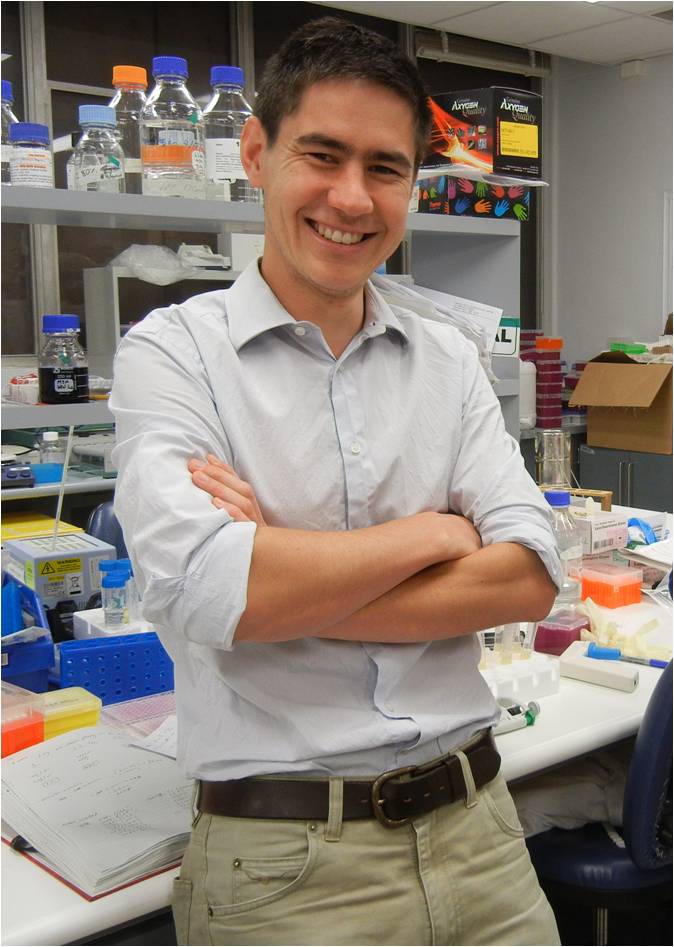
معرفی
Ellen Anckaert is a Professor in the Department of Genetics, Reproduction and Development at the Faculty of Medicine and Pharmacy, Vrije Universiteit Brussel (VUB). She serves as a Physician in Clinical Biology at UZB (Universitair Ziekenhuis Brussel) with a research focus spanning reproductive medicine, oocyte biology, and fertility preservation. Her work bridges clinical practice with advanced laboratory research, particularly in in vitro maturation technologies and hormonal regulation.
Dr. Anckaert's research interests center on reproductive medicine with specific expertise in oocyte biology, in vitro fertilization techniques, fertility preservation for cancer patients, polycystic ovary syndrome, and DNA methylation patterns. Her fingerprint analysis reveals dominant expertise in oocyte research (100%), hormonal regulation (54%), antral follicle development (54%), and in vitro techniques (39%). She has pioneered work in biphasic oocyte maturation systems and their metabolic characterization, with significant implications for improving fertility treatment outcomes.
Her publication trends show a strong focus on translational research connecting basic oocyte biology with clinical applications. Recent work examines transcriptional and metabolic aspects of oocyte maturation, fertility preservation for cancer patients, and pediatric endocrine disorders. She maintains active collaborations across Europe as evidenced by her participation in ESHRE, SSR, and BSRM conferences.
- WFWG23-01: Wetenschappelijk Fonds Willy Gepts (2023)
Dr. Anckaert has supervised multiple PhD trajectories and currently mentors research students including Cava Cami, B. whose 2025 Master's thesis focused on oocyte-secreted factors in capacitation-in-vitro-maturation. She leads three active major grants including FWOAL1098 (Transcriptional and metabolic characterization to improve Capacitation-IVM technology), ANI344 (Optimization of biphasic oocyte maturation for fertility preservation in cancer patients), and AIIFUND94 (Transforming fertility treatment).
Her laboratory work focuses on advanced in vitro maturation systems, particularly biphasic approaches that improve oocyte developmental competence. The team investigates metabolic and transcriptional regulation during oocyte maturation, with recent emphasis on pro-cumulin effects, oxygen tension optimization, and connections between oocytes and cumulus cells. Current projects aim to enhance fertility preservation options for young cancer patients while monitoring long-term child development outcomes.