معرفی
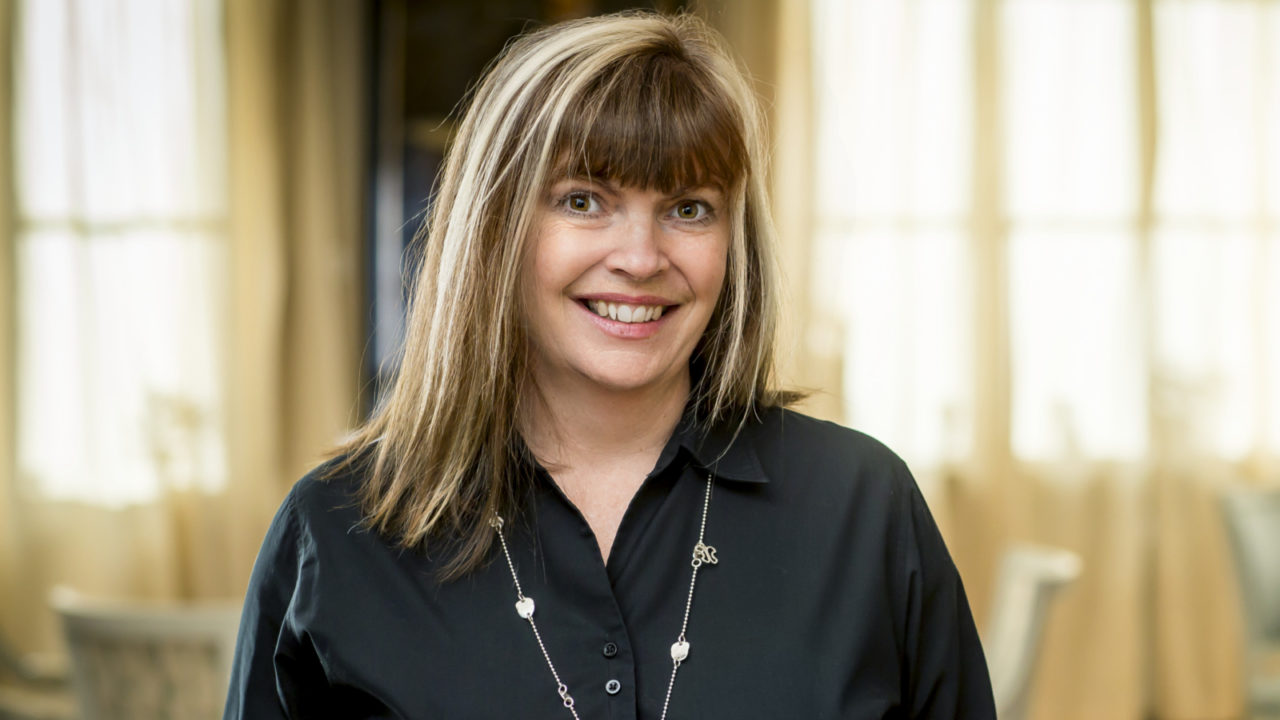
Elizabeth Hanson is a Professor in Caring Sciences at Linnaeus University, Sweden, and Scientific Leader of the Nationellt kompetenscentrum anhöriga (Swedish Family Care Competence Centre). She holds a visiting position as a Reader at the University of Sheffield, School of Nursing & Midwifery. Her roles include steering board membership in Anhörigas Riksförbund (Carers Sweden) and representing the SFCCC in Eurocarers, a European NGO. Trained as a nurse, Hanson earned a BA (Hons) in Nursing from Sheffield Hallam University (1986) and a doctorate from Lancaster University (1991), focusing on oncology nurse support for cancer patients and families. Postdoctoral research at the University of Manitoba (1993–1995) emphasized palliative care. She moved to Sweden in 2000, co-leading the establishment of a national competence center for informal care and aging research. Her work integrates ICT to improve caregiver support, as seen in projects like ACTION and INNOVAGE.
Education and Career: Elizabeth Hanson’s academic journey includes nursing training, a doctoral degree in Educational Research (Lancaster University), and postdoctoral work in Canada. She transitioned to Sweden in 2000, securing a Senior Lecturer position at Kalmar University (now Linnaeus University) in 2003 and advancing to full professorship. Her career spans roles across academia and policy, including leadership in Eurocarers and the SFCCC.
Research Interests: Central to her work is the empowerment and support of informal caregivers, particularly for older adults and children/adolescents as next of kin. She explores ICT-based solutions for care support, mental health resilience in caregiving, and policy frameworks to reduce caregiver burden. Her projects often emphasize collaboration with stakeholders and co-design methods to ensure practical impact. Recent work focuses on pandemic impacts on caregivers, ethical challenges in EU research, and strategies to balance caregiving with employment.
Advisees and Grants: While no specific advisees are listed, her leadership in major projects like Me-We (EU H2020) and Well Care indicates extensive collaboration with researchers and institutions. Funding sources include the EU, Swedish National Board of Health and Welfare, and the Ministry of Health and Social Affairs, highlighting large-scale, externally supported initiatives.
Labs and Teams: She leads collaborative research through the Swedish Family Care Competence Centre and Eurocarers, focusing on ICT innovations and caregiver well-being. Her work connects with international networks to shape policy and practice, such as the INNOVAGE platform for web-based support services.