معرفی
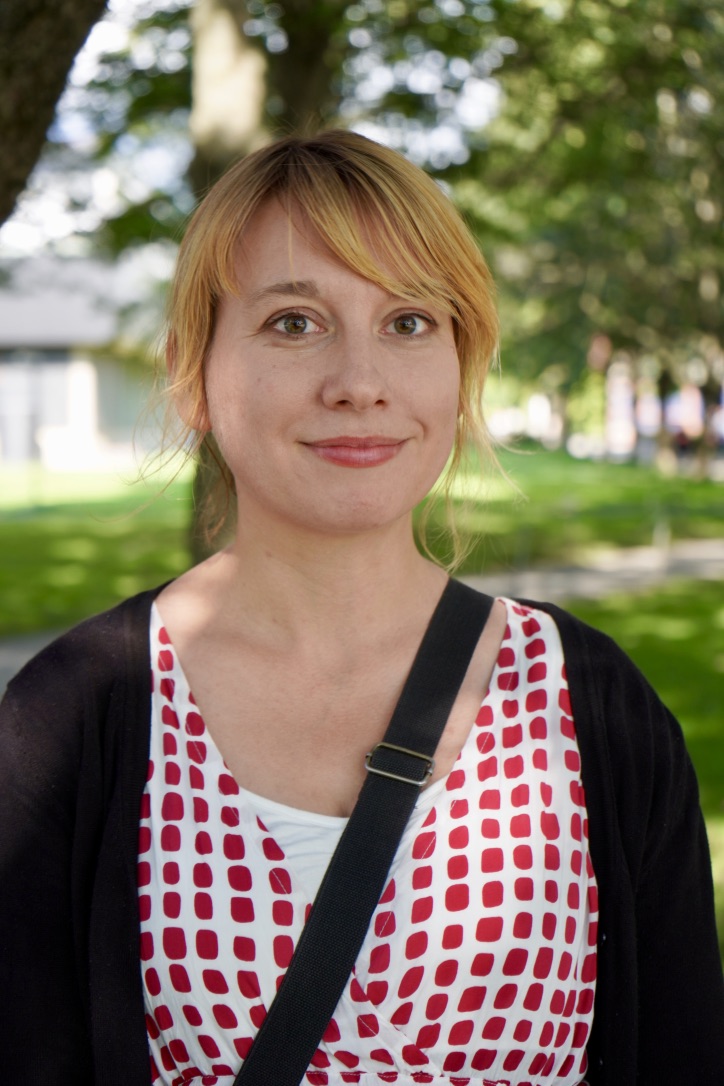
Elisabeth Schober is an Associate Professor at the Department of Social Anthropology, University of Oslo. She is an economic anthropologist and globalization studies scholar with extensive research on maritime labor, gender/sexuality, and the anthropology of work. Her work focuses on South Korea, the Philippines, and Germany, with particular attention to maritime anthropology, globalization, political economy, militarism, imperialism, and labor studies.
Dr. Schober holds a Magister degree in European Ethnology (2004, Karl-Franzens University, Graz), an MA in Nationalism Studies (2007, Central European University, Budapest), and a PhD in Sociology and Social Anthropology (2011, Central European University). She is part of the editorial collective of Focaal: Journal of Global and Historical Anthropology.
Her research trajectory began with border regimes between Slovenia and Austria, then shifted to US military bases in South Korea, and subsequently expanded to maritime labor and shipbuilding industries. Her current work examines global container shipping networks and the life cycles of container ships through two major projects: (Dis-)Assembling the Life Cycle of Container Ships (2018-2021) and PORTS (2020-2025), which explores how global capitalism plays out in four major container ports worldwide.
Her publications reveal a consistent focus on the intersections of labor, globalization, and maritime industries, with increasing attention to container shipping and logistics networks. Her work demonstrates a methodological commitment to ethnographic fieldwork combined with comparative analysis across different sites of global economic activity.
- ERC Starting Grant (2019) for PORTS project (2020-2025)
- Norwegian Research Council FRIPRO Young Research Talent Grant (2018-2021) for container ships project
Dr. Schober has received significant research funding for her projects, including NOK 7,992,000 from the Norwegian Research Council and an ERC Starting Grant. She regularly teaches a BA course on kinship and gender and welcomes supervision of students interested in Asia, global maritime issues, changing labor relations, and the U.S. presence in the Pacific region. Her research connects various sites of maritime labor through ethnographic fieldwork in South Korea, the Philippines, and European ports, creating a transnational understanding of maritime work and global economic processes.