معرفی
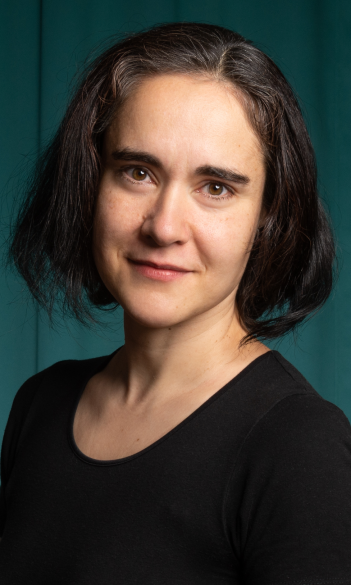
Dr. Eleanor Palser is an Assistant Professor at Palo Alto University (PAU) in the Department of Clinical Psychology, School of Psychology. She serves as Director of the Pediatric Behavioral Health emphasis, training future clinicians to address the youth mental health crisis through integrated, systems-based approaches.
Her academic journey includes a PhD in Clinical Psychology and Cognitive Neuroscience from University College London (UCL), followed by a postdoctoral fellowship in Clinical Affective Neuroscience at UCSF.
Dr. Palser's research focuses on emotional processing in neurodevelopmental disorders, particularly autism and dyslexia. She employs psychophysiological and qualitative methods to challenge deficit-based models and promote strength-based, neurodiversity-affirming frameworks. Her work explores empathy, creativity in dyslexia, interoception, and anxiety in autistic youth.
Her recent publications reveal a consistent interdisciplinary approach, combining clinical psychology, neuroscience, and social justice. Themes across her articles include emotional reactivity in dyslexia, bodily sensation differentiation in autism, and structural disparities in academic publishing, particularly regarding gender and geography.
- Gender and geographical disparity in editorial boards of journals in psychology and neuroscience (2022)
- Elevated unanticipated acoustic startle reactivity in dyslexia (2024)
- Reduced differentiation of emotion-associated bodily sensations in autism (2021)
- Interoception and anxiety in autistic children (2018)
Dr. Palser is an advocate for diversity, equity, and inclusion in academia, with a focus on first-generation students and those from lower socioeconomic backgrounds. She has received grant funding to study creativity and empathy in dyslexia and has contributed op-eds on DEI issues.
She mentors students and teaches courses in child development, developmental psychopathology, and affective science. Her leadership in the Pediatric Behavioral Health emphasis integrates emerging youth challenges such as social media impacts, school stress, and climate anxiety. She collaborates with interdisciplinary teams and is committed to participatory research involving individuals with lived experience.
حوزههای پژوهشی