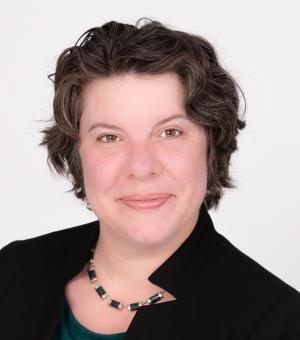
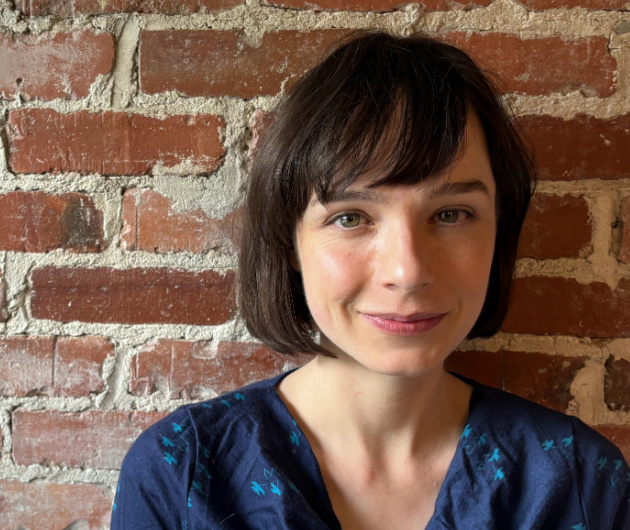
Elaine LaFay
استادیار · Environmental history
Rutgers, The State University of New Jerseyمعرفی
Elaine LaFay is an Assistant Professor of History at Rutgers, The State University of New Jersey, where she has taught since 2020. Her research bridges environmental history, medical history, and imperial studies within nineteenth-century U.S. contexts, examining how climate knowledge shaped territorial expansion and social hierarchies.
Education:
- Ph.D. in History and Sociology of Science, University of Pennsylvania
- B.A. in History (highest honors), University of Michigan
Her scholarship critically analyzes environmental history through lenses of imperialism and bodily vulnerability, with specific focus on climatology's role in settler colonialism, disability in antebellum America, and botanical knowledge exchanges. She investigates how environmental factors like ventilation, epidemics, and tropical landscapes intersected with power structures including slavery and medical practice, revealing climate science as a tool of imperial control in the U.S. South and Gulf regions.
LaFay's publications (2020-2025) demonstrate interdisciplinary reach across history, public health, and climate science journals. Recurring themes include environmental injustice, data politics in meteorology, and the medicalization of colonial spaces. Her collaborative work with scholars like Mary E. Mendoza highlights transnational dimensions of climate knowledge, while sole-authored pieces dissect intimate bodily experiences under imperialism.
Her research excellence is recognized by:
- Marguerite Bartlett Hamer Dissertation Fellowship (McNeil Center)
- American Meteorological Society History Fellowship
- CLIR-Mellon Fellowship for Dissertation Research
- Research Fellowship from New Orleans Center for the Gulf South
- GAPSA-Provost Award for Interdisciplinary Innovation (UPenn)
Supported by major grants from the American Philosophical Society, Mellon Foundation, and American Meteorological Society, LaFay mentors history graduate students in environmental and medical history while advancing her book project on climate knowledge in the U.S. South. Her work connects historical climate practices to contemporary environmental justice debates through rigorous archival analysis of plantation records, medical texts, and meteorological data.