معرفی
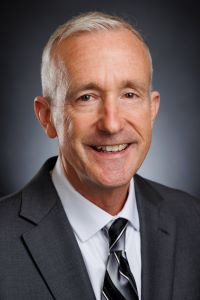
Professor E. Gregory Wallace is a faculty member at Campbell University's Campbell School of Law, where he has taught constitutional law since 1995. His expertise centers on religious freedom, the Second Amendment, and free speech, with significant contributions to federal jurisprudence through over 200 appellate arguments and Supreme Court amicus briefs. He serves on the North Carolina Advisory Committee to the U.S. Commission on Civil Rights and the North Carolina Chief Justice’s Commission on Professionalism.
His academic credentials include:
- S.J.D. and LL.M. from University of Virginia School of Law (dissertation: 'Higher Call: Foundations of Religious Freedom in American Constitutionalism')
- J.D. with high honors from University of Arkansas at Little Rock School of Law (graduated first in class)
- M.A. with honors from Dallas Theological Seminary
Wallace's research critically examines constitutional tensions between individual rights and governmental authority, particularly regarding religious liberty and gun rights. His co-authored treatise 'Firearms Law and the Second Amendment: Regulation, Rights, and Policy' serves as a foundational legal resource, while his law review publications in outlets like Tennessee Law Review and Florida State Law Review directly influence federal court decisions. His scholarship bridges theoretical constitutional analysis with practical litigation impact.
His distinguished recognition includes:
- Dean’s Award for Faculty Excellence in Research
- Fellow of the Firearms Research Center at the University of Wyoming
Professor Wallace maintains an active public intellectual presence through frequent media commentary on CBS News, NPR, and Malcolm Gladwell’s Revisionist History, along with print features in The New York Times and Wall Street Journal. His international engagement includes visiting professorships at Handong International Law School in South Korea and lectures at Chinese institutions including Southwest University of Political Science and Law. Beyond academia, he contributes to judicial ethics committees and legislative policy discussions on civil rights and judicial conduct.