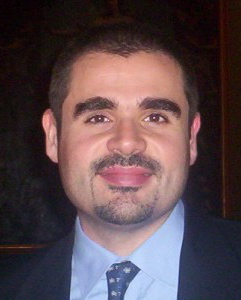
Doo-Sup Choi
استاد · Neurobehavioral Disorders
Mayo Clinic College of Medicine and Scienceمعرفی
Doo-Sup Choi, Ph.D., is a Professor of Pharmacology and Psychiatry at Mayo Clinic in Rochester, Minnesota. He serves as a Consultant in the Department of Molecular Pharmacology and Experimental Therapeutics and leads the Neurobiology of Alcoholism and Drug Addiction Laboratory. Dr. Choi is also the Director of the Samuel C. Johnson Genomics of Addiction Program, a multidisciplinary initiative integrating basic and clinical research to translate findings into patient care.
His research focuses on identifying novel therapeutic targets for neurobehavioral and addictive disorders using advanced techniques in genetics, pharmacology, proteomics, metabolomics, neuroimaging, and behavioral analysis. Key areas include the neurobiology of addiction, co-occurring psychiatric disorders such as depression and anxiety, and the interaction between alcohol use disorder and neurodegenerative conditions like Alzheimer's disease.
Dr. Choi's recent publications highlight a strong trend in translational neuroscience, with a focus on biomarker development, purinergic signaling, astrocyte-neuron interactions, and the impact of alcohol on aging and cognition. His work increasingly bridges molecular mechanisms with clinical applications, emphasizing personalized treatment strategies.
- David Lehr Research Award, American Society for Pharmacology and Experimental Therapeutics (2015)
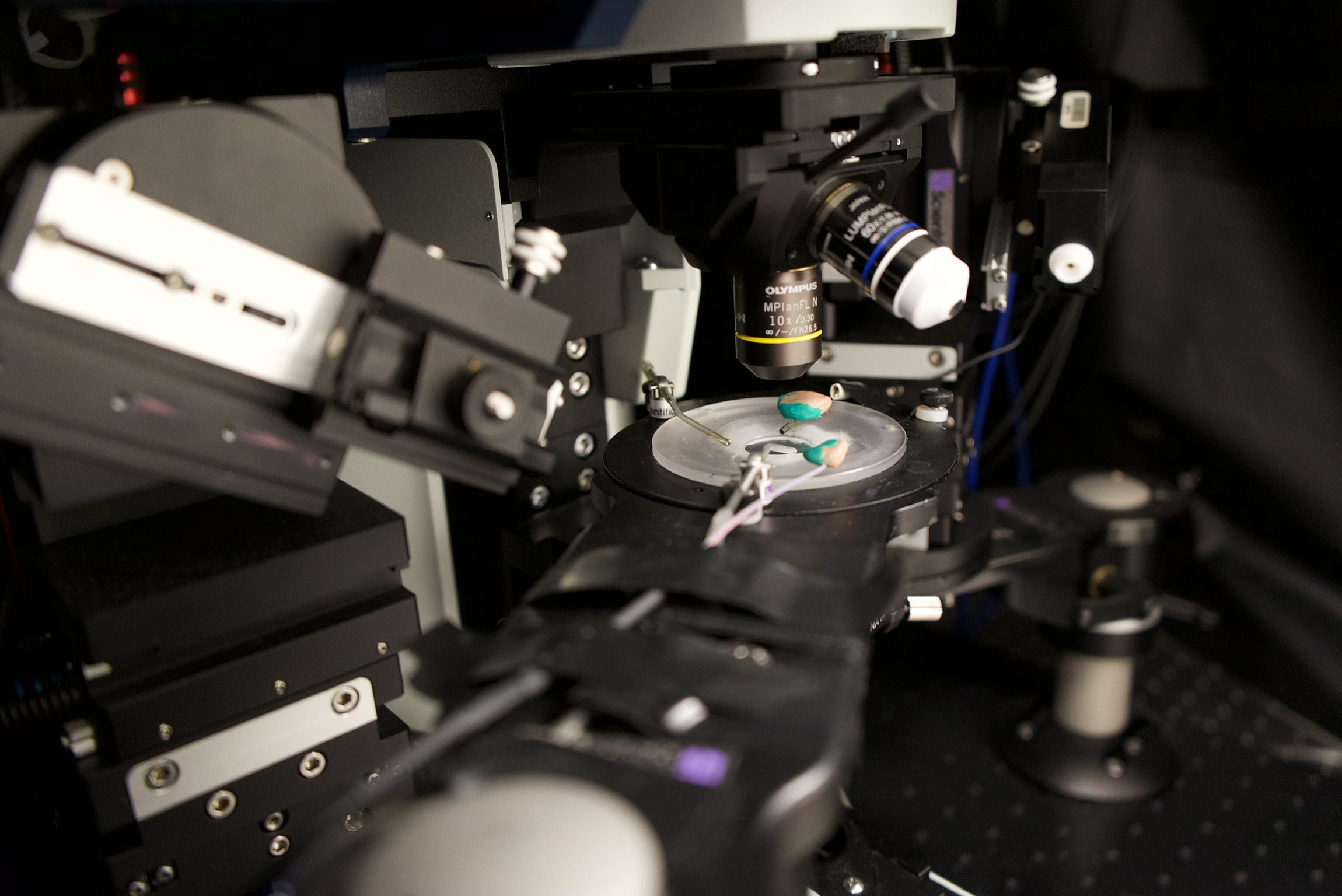
Dr. Choi has been actively involved in mentoring and collaborative research, serving as a full member of the American College of Neuropsychopharmacology and as a regular member of the National Institute on Alcohol Abuse and Alcoholism review subcommittee (2016–2020). His lab has been continuously funded by the NIH and other external sources since its founding in 2005. The Neurobiology of Alcoholism and Drug Addiction Lab employs cutting-edge technologies such as optogenetics, chemogenetics, fiber photometry, and computational modeling to study neural circuits underlying addictive behaviors.
حوزههای پژوهشی