Dr. Sudie E. Back is a Professor in the Department of Psychiatry and Behavioral Sciences at the Medical University of South Carolina (MUSC), College of Medicine. She also serves as Director of the NIH-sponsored Drug Abuse Research Training (DART) program and is a Staff Psychologist at the Ralph H. Johnson VA's STAR program. Her expertise lies in treating substance use disorders and PTSD, particularly among veterans and civilians. She leads both behavioral and pharmacological clinical trials, as well as neuroimaging studies. Education: PhD in Clinical Psychology from the University of Georgia (2004), clinical internship at Yale University School of Medicine (2002–2003), and postdoctoral training at MUSC (2004–2005). Research Interests: Co-occurring substance use and PTSD, trauma-focused therapies, veterans' mental health. Funding: NIH, Department of Defense, and VA grants, including K23, R01, K02, and a Fulbright award. Dr. Back has pioneered integrated treatment approaches, such as combining oxytocin with exposure therapy for AUD and PTSD. She also developed COPEWeb , a web-based training program for providers treating PTSD and SUD. Her trials include randomized clinical trials on cognitive processing therapy and relapse prevention. Awards: Career Development Award (K23) R01 grants Independent Scientist Award (K02) Fulbright Scholar Award (Australia) Labs/Teams: Director of DART program at MUSC and STAR program at the VA, focusing on translational research and clinical training.
Alexander T. Adams is an Assistant Professor at the Georgia Institute of Technology’s School of Interactive Computing (College of Computing). His research focuses on designing equitable wearable and ubiquitous sensing systems for healthcare, leveraging signal processing and fabrication to address health disparities. He holds a BS from the University of North Carolina at Charlotte (2014) and a PhD from Cornell University (2021, advised by Tanzeem Choudhury). Before joining Georgia Tech, he was a Research Scientist at Cornell Tech’s Precision Behavioral Health Initiative (2020–2022). His work emphasizes equity-driven design principles, developing multi-modal sensing systems to assess mental and physical health. Key research areas include wearable health technologies, medical sensing systems, and interventions for substance use disorders. Recent projects involve smartphone-based diagnostic tools (e.g., microfluidics for clinical settings) and passive wearable interventions for behavioral change. Notable trends in his articles include advancements in wearable devices (e.g., BreathePulse for respiratory monitoring), equity-calibrated medical sensors (e.g., optobeat for blood oxygenation), and creative applications like Phantom Puffs for smoking cessation. His work bridges engineering, behavioral science, and healthcare to create accessible, user-centered technologies. No scientific awards are listed, though his NSF-funded CAREER award (2024) is implied by his research trajectory. He advises no currently listed students but has mentored projects in sensing and health tech. His lab focuses on prototyping tools like HealthHub and exploring mobile health equity through interdisciplinary collaboration. Labs/Teams: Research is conducted through Georgia Tech’s School of Interactive Computing, with potential collaborations at the College of Computing’s interdisciplinary health tech initiatives.
Dr. Louise Alexander is an Associate Professor in Mental Health Nursing at Deakin University's School of Nursing & Midwifery (Faculty of Health). She holds prior academic roles including Senior Lecturer (ACU, 2018–2023) and Lecturer positions (ACU and Holmesglen Institute). Her research focuses on mental health nursing workforce sustainability, stigma reduction, simulation-based education, and curriculum development. Key interests include nurse resilience, pandemic impacts on healthcare workers, and improving student attitudes towards mental illness. Education: PhD from Deakin University; GCHE qualification Certifications: University of Melbourne's Emerging Leaders & Management Program (2021–2022) Teaching: Leads courses in forensic mental health, therapeutic communication, and health promotion Research Highlights: Recent work examines pandemic trauma among nurses, alcohol consumption trends post-COVID, and leadership's role in workforce retention. Her studies emphasize qualitative methods and integrative reviews to address systemic challenges in mental health nursing education and practice. Awards/Grants: No explicit awards listed; research supported by institutional collaborations. Active in developing transition-to-practice programs and evaluating simulation-based training efficacy. Labs/Teams: Collaborates with interdisciplinary teams on mental health workforce resilience and stigma reduction initiatives. Engages in national and international nursing education networks.
Cecilie Schou Andreassen is a Professor at the Department of Clinical Psychology, University of Bergen . She specializes in behavioral addictions , including workaholism, social media addiction, and substance use interactions. Email: cecilie.andreassen@uib.no Visitor Address: Alrek Health Cluster, Årstadveien 17, 5009 Bergen Research Focus: Andreassen's work examines the psychosocial antecedents of addictive behaviors, with emphasis on personality traits , workplace dynamics , and digital platform interactions . Her research spans cross-cultural validation studies and longitudinal health outcomes related to technology and substance misuse. Article Trends (2017-2022): Analyzing 15 recent publications reveals a consistent focus on addiction scale validation , social media epidemiology , and workaholism's health impacts . Key themes include measurement invariance , digital-chemical addiction comorbidity , and psychological withdrawal mechanisms . Scientific Contributions: Co-developer of Bergen Work Addiction Scale Creator of Bergen-Yale Sex Addiction Scale Leadership in behavioral addiction epidemiology Recipient of Norwegian Research Council grants Advising & Collaborations: While no direct advisees are listed, Andreassen collaborates extensively with international researchers in work psychology , social media studies , and public health . Her work involves partnerships with Nottingham Trent University , Yale University , and National Competence Service for Sleep Disorders . Labs & Teams: Affiliated with the Department of Clinical Psychology and previously with the Department of Social Psychology at University of Bergen, she contributes to national health registry studies and cross-occupational research on addiction patterns.
Aditi Das is a Full Professor in the School of Chemistry and Biochemistry at the Georgia Institute of Technology, College of Sciences. She leads the Das Laboratory, which focuses on the biochemistry and chemical biology of lipids, particularly studying cytochrome P450 enzymes and their role in lipid metabolism, endocannabinoid systems, and inflammatory pathways. Her educational background includes: B.Sc. in Chemistry from St. Stephen's College M.Sc. in Chemistry from Indian Institute of Technology, Kanpur (I.I.T) Ph.D. in Chemistry from Princeton University Postdoctoral research at Northwestern University (NSF-NSEC fellow) and Beckman Institute for Advanced Science and Technology, University of Illinois UC Professor Das's research interests center around understanding the physiological role of lipids in sustaining homeostasis and their implications in disease states such as neurodegenerative disorders, cancer, and cardiovascular diseases. Her laboratory specializes in: Enzymology of cytochrome P450s, particularly CYP2J2 epoxygenase Metabolism of ω-3 and ω-6 fatty acids and their derivatives Minor cannabinoid metabolism by cytochrome P450 enzymes Discovery of novel anti-inflammatory lipid metabolites and endocannabinoids Mechanistic studies of membrane proteins using nanodisc technology Her work bridges biochemistry, chemical biology, and pharmacology to uncover novel therapeutic targets related to lipid signaling pathways. Analysis of Professor Das's recent publications (2023-2025) reveals a strong focus on cannabinoid metabolism by cytochrome P450 enzymes, with particular emphasis on how these metabolic processes generate bioactive compounds that interact with the endocannabinoid system. Her research increasingly explores the therapeutic potential of omega-3 derived endocannabinoid epoxides in inflammatory and neurodegenerative conditions. The use of nanodisc technology for studying membrane proteins in near-native environments remains a consistent methodological thread throughout her work, enabling detailed mechanistic insights into enzyme function. Professor Das has received numerous prestigious awards recognizing her research excellence and teaching: 2024 NIH Outstanding Researcher Award (MIRA R35) for established investigators 2024 Vasser Woolley Faculty Fellowship 2023 Plenary Lecture at the International Society of the Study of Xenobiotics (ISSX) 2021 E.L.R. Stokstad Award 2019-2021 List of Teachers Ranked as Excellent 2019 Eicosanoid Research Foundation Young Investigator Award 2019 Zoetis Research Excellence Award 2019 Mary Swartz Rose Young Investigator Award 2015 National Scientist Development Award from the American Heart Association 2022 El Sohly Award from the American Chemical Society Professor Das actively mentors a diverse group of students and postdoctoral researchers, with several former lab members now holding faculty positions or working at prestigious institutions. Her laboratory has secured significant funding from NIH, NSF, and other sources to support research on lipid metabolism, cannabinoid pharmacology, and membrane protein biochemistry. Notable grants include an NIH R35 Outstanding Investigator Award (MIRA), an NIH R21 grant from NIDA, and multiple collaborative grants with other research groups. The Das Laboratory operates within the Petit Institute of Bioengineering and Biosciences (IBB) at Georgia Tech, utilizing state-of-the-art facilities for biochemical and biophysical studies. The lab specializes in nanodisc technology to study membrane proteins in near-native environments, with particular expertise in cytochrome P450 enzymes and their interactions with lipid substrates. Recent work has expanded into collaborative projects involving lipidomics, structural biology, and translational applications of lipid signaling research.
Sarah Woolf-King is an Assistant Adjunct Professor in the Department of Medicine at the University of California, San Francisco (UCSF), School of Medicine. She is a licensed clinical psychologist (CA PSY28178) whose research bridges psychology and health, with a strong focus on substance use, HIV, and mental health in families affected by congenital heart defects. Her educational background includes a B.S. in Psychology from Arizona State University (2002), an M.S./Ph.D. in Clinical Psychology from Syracuse University (2010), an M.P.H. in Epidemiology from UC Berkeley (2011), a clinical internship in Behavioral Medicine at VA Palo Alto (2010), and a T32 Postdoctoral Fellowship at UCSF’s Center for AIDS Prevention Studies (2013). Dr. Woolf-King’s research centers on two primary areas: (1) the impact of alcohol use on HIV treatment and prevention, particularly among HIV-positive men who have sex with men (MSM) and in East African populations, and (2) the mental health needs of parents of children with critical congenital heart defects (CHD). Her work employs diverse methodologies, including daily data collection, qualitative interviews, randomized trials, and biomarker validation (e.g., PEth). She aims to develop integrated behavioral interventions to improve health outcomes for individuals and families coping with chronic illness. Her recent publications (2023–2025) reflect a consistent focus on alcohol use in the context of HIV, with studies on counseling interventions, digital screening, remote biomarker collection, and behavioral mechanisms. There is also growing attention to mental health in vulnerable populations, including college students and parents of children with genetic or cardiac conditions. Her work is increasingly interdisciplinary, combining psychology, epidemiology, public health, and global health. Scientific Awards: Hellman Fellow, Hellman Fellows Fund (2015–2017) Mentored Research Scientist Development Award (K01), NIH/NIAAA (2013–2018) Loan Repayment Program in Clinical Research, NIH/NIAAA (2011–2016) Ruth L. Kirschstein National Research Service Award (F31), NIH/NIAAA (2008–2010) Mentored Scientist Award in HIV/AIDS, UCSF CFAR (2012–2014) Dr. Woolf-King has served as Principal Investigator on NIH-funded projects, including an R34 grant for a brief ACT intervention for HIV-positive hazardous drinkers and a K01 grant on alcohol and sexual risk behavior. She collaborates extensively with researchers at UCSF and in East Africa, particularly Uganda. While her adjunct title suggests a part-time or non-tenure-track role, she maintains an active research program with significant grant support and a robust publication record. There is no indication of retirement or former staff status.
Laura Robinson is a Senior Lecturer at the School of Psychology , University of Wollongong. She holds a Doctor of Philosophy in Psychology and extensive teaching experience in behavioral sciences, statistics, and applied psychology. Education : PhD in Psychology (2017), Postgraduate Diploma in Psychology (2010), Bachelor of Psychology (2009), and Bachelor of Aviation (2004) Her research focuses on vulnerable populations, particularly women and youth, with expertise in substance use disorders, eating disorders, mental health comorbidity, and health equity. She has published extensively on residential treatment outcomes, continuing care interventions, and stigma reduction in mental healthcare. Recent publications highlight longitudinal analyses of psychological distress, weight stigma, and integrated approaches to substance use and physical health. She supervises PhD students on topics like veterans' mental health, methamphetamine use, and suicide prevention. Laura has received funding from internal and external sources, including grants for stimulant use interventions and health literacy studies. She serves on committees like the Australasian Professional Society for Alcohol and Drugs and contributes to peer-reviewed journals as a reviewer.
Professor Gavan McNally is a distinguished behavioral neuroscientist at the University of New South Wales, where he serves as a Professor in the School of Psychology. He is actively engaged in research on the fundamental behavioral and brain mechanisms for learning and motivation, with applications to clinical conditions such as addictions, anxiety disorders, and mood disorders. McNally holds several prestigious editorial positions, including Editor-in-Chief of Neurobiology of Learning & Memory and Senior Editor of The Journal of Neuroscience. He also serves as President-Elect of the European Behavioral Pharmacology Society and is a Member of the Australian Research Council College of Experts. McNally's research interests span behavioral neuroscience, focusing on how fundamental brain mechanisms apply to clinical conditions. He employs a systems neuroscience approach, combining well-controlled behavioral approaches with optogenetics, chemogenetics, in vivo calcium imaging, and whole brain circuit mapping in both normal and transgenic animals. His work bridges basic science with clinical applications through collaborations with colleagues at University of Sydney, Sydney Local Health District, Monash University, and Turning Point. McNally's research particularly examines the cellular, circuit, and systems level mechanisms underlying learning, motivation, and their dysregulation in disorders like addiction. His laboratory investigates how these mechanisms translate to human conditions, with a strong emphasis on developing new treatments for psychological disorders. His extensive publication record demonstrates a clear trajectory in understanding punishment learning, addiction mechanisms, and the neural circuits underlying motivated behavior. Recent work has increasingly focused on the cognitive pathways to punishment insensitivity, the role of specific neural circuits in addiction, and translational approaches to understanding maladaptive behaviors. McNally's research bridges animal models with human studies, creating a comprehensive understanding of the neural mechanisms that govern learning and motivation, with particular attention to how these processes go awry in addiction and other psychological disorders. 2008 QEII Fellow, Australian Research Council 2009 Association for Psychological Science, International Rising Star 2010 Fellow, Association for Psychological Science 2010 UNSW Faculty of Science Staff Excellence Award for Research and Training 2011 Pavlovian Research Award, The Pavlovian Society 2012 Future Fellow (Level 3), Australian Research Council 2016 D.G. Marquis Behavioral Neuroscience Award, American Psychological Association 2017 Fellow, American Psychological Association 2019 Fellow of the Academy of Social Sciences in Australia 2021 D.G. Marquis Behavioral Neuroscience Award, American Psychological Association 2022 Ross Day Plenary Lecturer, Australasian Brain and Psychological Sciences 2023 European Behavioural Pharmacology Society Plenary Lecturer 2024 Elspeth McLachlan Plenary Lecturer, Australasian Neuroscience Society 2024 D.G. Marquis Behavioral Neuroscience Award, American Psychological Association Professor McNally actively supervises several students including Bixuan Lin, Si Yin Lui, Hannah Machet, Bart Cooley, Kelly Zhuang, and Alexandra Gregory. His current research is supported by significant funding including an Australian Research Council Discovery Project (2024-2026) on "Risky choices: From cells and circuits to computations and behaviour," another Discovery Project (2025-2028) on "Multimodal mapping of punishment learning," and NHMRC grants including a Synergy Grant on "Linking clinical and basic science discovery to find new treatments for alcohol-use disorder" and an Ideas Grant on "Novel pathways to abstinence from alcohol seeking." These projects reflect his commitment to both fundamental neuroscience and translational applications for treating psychological conditions. His teaching responsibilities include PSYC2081 Learning & Physiological Psychology and PSYC3051 Physiological Psychology. McNally's laboratory employs advanced techniques including optogenetics, chemogenetics, in vivo calcium imaging, and whole brain circuit mapping to investigate the neural mechanisms underlying learning, motivation, and their dysregulation in disorders. His team works at the intersection of basic neuroscience and clinical applications, with strong collaborations across multiple institutions to translate fundamental findings into potential treatments for addiction and other psychological disorders. The lab has made significant contributions to understanding the role of brain regions like the ventral pallidum, paraventricular thalamus, and nucleus accumbens in addiction, fear learning, and punishment sensitivity.
Jacqueline Woerner is Associate Professor in Sociology and Psychology at the University of Central Florida, where she directs the Social Theory, Relationships, and Interpersonal Violence Exposure (STRIVE) Lab. Her research examines the intersection of gender-based violence, substance use, and health risk behaviors. Education includes: PhD in Social Psychology from Wayne State University BS in Psychology from Appalachian State University Her NIH-funded research investigates how violence victimization relates to health behaviors through motivational frameworks. Current projects examine technology-facilitated sexual violence on dating apps and alcohol's role in intimate partner cyber abuse. She employs diverse methods including surveys, experiments, and daily diaries. As member of the Violence Against Women Faculty Cluster, she develops prevention strategies addressing sexual violence and health disparities. Funded projects include NIJ grants examining transitional housing models for domestic violence survivors. Honors include Rising Star Award for undergraduate mentoring and multiple teaching awards. She serves on editorial boards for Psychology of Violence and leads NIH-funded projects on dating app-facilitated violence.
Samantha J. Harris, PhD, MPA, is an Assistant Scientist in the Department of Health Policy and Management at the Johns Hopkins Bloomberg School of Public Health. Her primary appointment is with the Bloomberg Overdose Prevention Initiative, where she leads state-level evaluations in Kentucky and New Mexico, focusing on overdose prevention and implementation of harm reduction policies. Institution: Johns Hopkins University School: Bloomberg School of Public Health Department: Department of Health Policy and Management Position: Assistant Scientist Education: PhD in Health Policy, University of Georgia, 2021 MPA in Health Policy, University of Kentucky, 2016 BA in Arts Administration, University of Kentucky, 2014 Postdoctoral Training, Johns Hopkins Bloomberg School of Public Health Samantha Harris's research centers on improving access to mental health and substance use treatment, particularly through public insurance programs like Medicaid and Medicare. Her work applies mixed-methods approaches to evaluate policies related to harm reduction, overdose prevention, and service delivery within the criminal legal system. She has a strong interest in aging and health, opioid and alcohol use disorders, and equitable access to care. Her recent publications highlight trends in Medicare coverage for methadone and buprenorphine, implementation of syringe services programs, and attitudes toward decriminalization policies. Her work spans qualitative and quantitative methods, often focusing on policy impact and implementation barriers at the state level. Scientific Contributions: Lead researcher on rapid-cycle evaluations of overdose prevention programs Co-Investigator on NIH, SAMHSA, and privately funded projects Frequent collaborator with interdisciplinary teams and state agencies Harris has served in policy-focused fellowship placements and contributes to high-impact journals such as Health Affairs and Drug and Alcohol Dependence . She advises on policy evaluation and health services research but no formal students are listed. She is actively involved in the Bloomberg Overdose Prevention Initiative, working closely with Dr. Brendan Saloner and Dr. Sachini Bandara. Her lab or team is embedded within this initiative, conducting real-time assessments of innovative state policies to reduce fatal overdoses.
Kristina Schoonjans is an Associate Professor at EPFL’s School of Life Sciences, where she leads the Laboratory of Metabolic Signaling (UPSCHOONJANS). Her research focuses on the molecular mechanisms of bile acid signaling, nutrient sensing, and intermediary metabolism, particularly in the context of metabolic disorders such as obesity, fatty liver disease, and cancer. She investigates how the liver-gut-brain axis integrates metabolic signals through nuclear receptors and mitochondrial dynamics. Her research interests include: Bile acid signaling and its role as a hormonal regulator Nutrient and metabolite sensing in energy homeostasis Intermediary metabolism and metabolic disorders Role of nuclear receptors (e.g., TGR5, LRH-1) in liver, gut, and adipose tissue Mitochondrial dynamics and fission in metabolic regulation Organoid models for studying liver and intestinal metabolism Systems genetics using BXD mouse populations The most recent articles highlight a strong focus on bile acid signaling, particularly through TGR5 and LRH-1, in regulating metabolic health. Themes include the conversion of white fat to beige fat (beiging), hepatic tumorigenesis, mitochondrial fission, and the use of organoid and genetically engineered mouse models. There is a consistent emphasis on translational applications for obesity, fatty liver disease, and cancer. Scientific honors include: Windaus Prize from the Dr. Falk Foundation (2010, shared with Johan Auwerx) for the discovery of the signaling/endocrine function of bile acids Prof. Schoonjans actively supervises PhD students and has advised numerous doctoral candidates who have since completed their theses. Her lab is supported by multiple grants from Swiss and international funding agencies, including the Swiss National Science Foundation, EPFL, CONACYT, and the Foundation for Health and Education. She teaches in several doctoral programs at EPFL, including Life Sciences Engineering, and contributes to education through the SSV and EDBB/EDCB/EDMS-ENS programs. The Schoonjans Lab brings together scientists, doctoral assistants, and technicians working on projects related to metabolic signaling. The team uses advanced techniques such as genetically modified mouse models, organoid cultures, and multi-omics (metabolomics, proteomics, transcriptomics) to study the liver-gut and brain-liver axes. The lab has a strong track record of high-impact publications and collaborations with institutions worldwide.
Markus Heilig is a Professor of Psychiatry and Head of the Department of Biomedical and Clinical Sciences (BKV) at Linköping University. He serves as Director of the Center for Social and Affective Neuroscience (CSAN), integrating basic and clinical neuroscience to address addictive and affective disorders. His work bridges neuropharmacology, molecular psychiatry, and clinical trials. Linköping University (Current) Center for Social and Affective Neuroscience (CSAN) (Director) Wallenberg Center for Molecular Medicine (Collaborator) His research focuses on alcohol dependence mechanisms, stress-neurotransmitter interactions (e.g., CRF, substance P, endocannabinoids), and personalized medicine approaches. Using animal models and human neuroimaging (fMRI), his lab explores epigenetic changes in frontal lobe and amygdala neurons that drive compulsive alcohol use. Recent publications highlight his work on endocannabinoid modulation for PTSD treatment, neural correlates of reward choices, and pharmacological interventions targeting GABA and opioid receptors. His studies often combine brain imaging, behavioral analysis, and pharmacology. Scientific awards include the 2019 Wallenberg Clinical Scholar grant and 2017 CAN/Nordic Drugs prizes. Heilig's research is supported by Vetenskapsrådet (SEK 57 million center funding) and international donations like the Andrew J. Bock Memorial Fund.
Wendy Balliet is an Assistant Professor at the Medical University of South Carolina (MUSC), affiliated with the College of Medicine and the Department of Psychiatry and Behavioral Sciences. She earned her PhD in counseling psychology with a health psychology concentration from Virginia Commonwealth University, completed a pre-doctoral internship at the University of Florida Health Science Center (Medical Psychology rotation), and a postdoctoral fellowship in behavioral medicine at MUSC. Key Roles: Associate Co-Director of Clinical Operations for the Division of Bio-behavioral Medicine Supervisor for interns in the Behavioral Medicine Clinic (Charleston Consortium Psychology Internship Program) Researcher and clinical provider in psycho-oncology and transplant behavioral health Her research focuses on behavioral medicine , psycho-oncology , and transplant/living donation psychology. She investigates body image distress in cancer survivors , mental health in transplant populations , and telemedicine-based cognitive behavioral therapy (CBT) . Her work includes the BRIGHT trial for tele-CBT in head and neck cancer survivors and studies on caregiver burden, peer mentoring programs (TRIO), and psychosocial factors in organ transplantation. Her clinical efforts span patient care, committee service (Grand Rounds, hospital-wide initiatives), and training for postdoctoral fellows and medical students. She emphasizes integrating psychosocial interventions with medical outcomes , particularly in cancer and transplant settings, and has developed educational resources like the Organ Transplant Caregiver Toolkit.
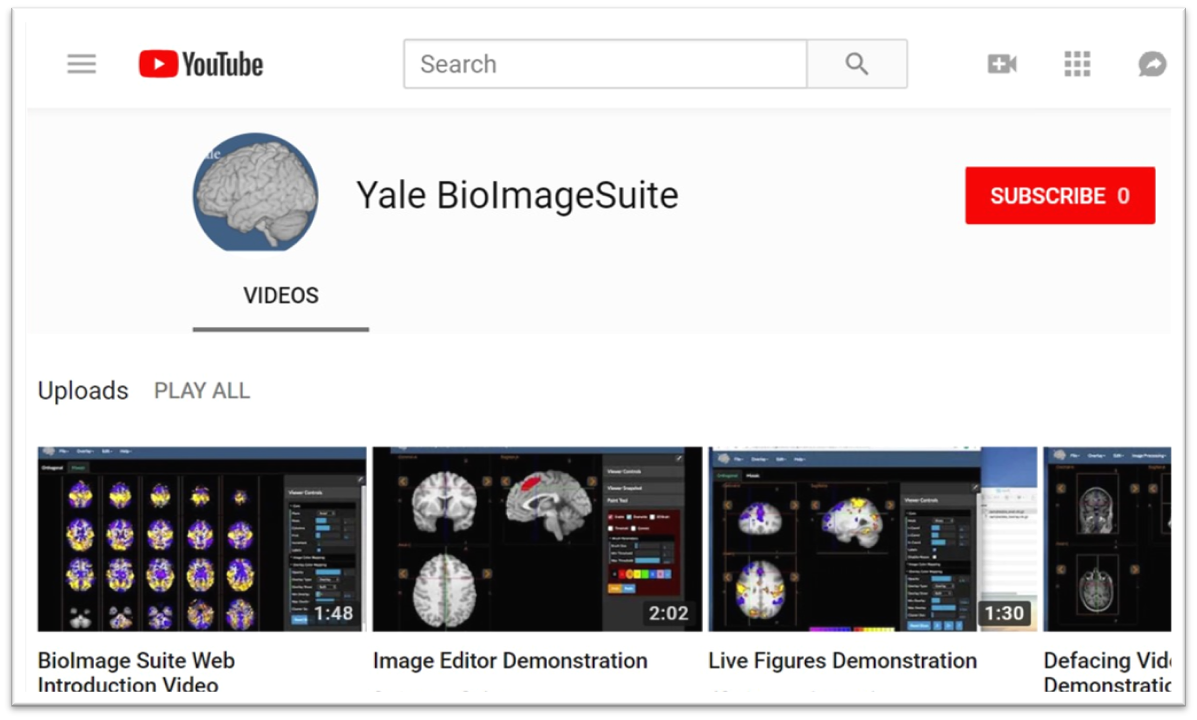
Xenophon Papademetris is a Professor of Biomedical Informatics & Data Science and Radiology & Biomedical Imaging at Yale School of Medicine. He serves as Associate Director of Biomedical Imaging Data Sciences at Yale Biomedical Imaging Institute and directs the Medical Software and Medical Artificial Intelligence Certificate Program. PhD in Electrical and Information Sciences from Yale University (2000) BA from Cambridge University (1994) Postdoctoral Fellowship at Yale University (2002) His research focuses on medical image analysis, machine learning, and biomedical software development. He has developed tools like BioImage Suite Web and contributed to standards committees at the Association for the Advancement of Medical Instrumentation (AAMI). His work spans modalities including MRI, CT, PET, and optical imaging. Recent publications emphasize neuroimaging analysis, explainable AI in healthcare, and multimodal data integration across species. He leads NIH-funded research under the BRAIN Initiative (R24 MH114805) and has authored a textbook on Medical Software published by Cambridge University Press. IEEE Senior Member Yale Brown-Coxe Postdoctoral Fellowship Harding Bliss Prize for Excellence in Engineering He directs the BioImage Suite Project, creating web-based image analysis tools using JavaScript and WebAssembly. His teaching includes both academic courses and a Coursera program on Medical Software with over 14,000 enrollments.
Dr. Rodolfo J. Flores serves as an Assistant Professor in the Department of Psychology within the College of Liberal Arts at the University of Texas at El Paso (UTEP). His primary research investigates neuromodulator function in the prefrontal cortex, with emphasis on acetylcholine and dynorphin systems during motivational conflict, stress responses, and addiction pathways. He employs advanced optogenetic and biosensor technologies to dissect neural circuitry underlying psychiatric conditions. Dr. Flores earned his Ph.D. in Social Cognitive and Neuroscience from UTEP in 2019, followed by postdoctoral training at the National Institute of Mental Health (NIMH). His work bridges molecular neuroscience with behavioral outcomes, focusing on how stress and substance exposure alter prefrontal cortical function. His research portfolio demonstrates consistent high-impact publication in top neuroscience journals including Nature Neuroscience , Neuron , and Psychoneuroendocrinology . Current work examines opioid neuropeptide dynamics, nicotine-alcohol interactions, and sex-specific hormonal influences on addiction behaviors. Methodologically, he specializes in genetically encoded biosensors and circuit-level manipulations to study threat processing and reward pathways. Dr. Flores teaches graduate and undergraduate courses including PSYC 4341 (Motivation & Emotion), thesis/dissertation supervision (PSYC 5395/6395), and research applications courses. His lab actively trains students through undergraduate research (RSRC 4033) and independent study opportunities (PSYC 4352).