معرفی
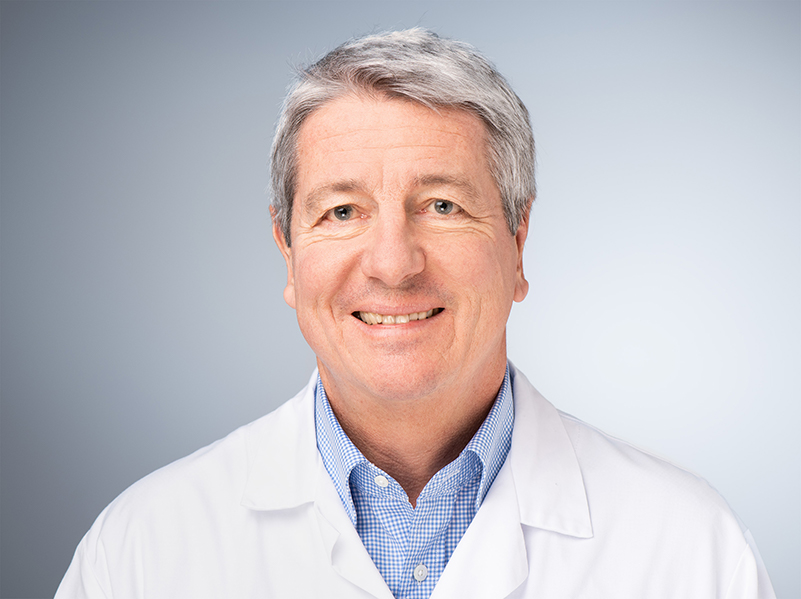
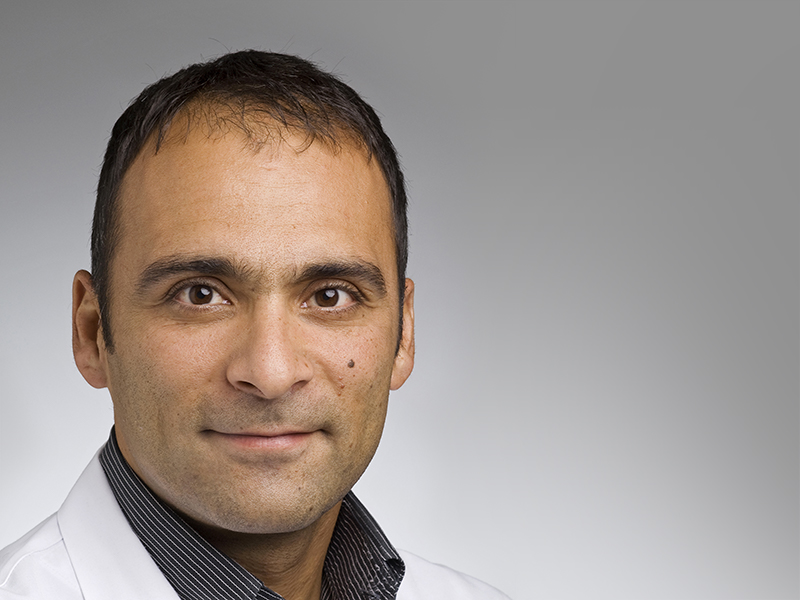
Dimitri Christoforidis is a Full Professor at the Faculty of Biology and Medicine, University of Lausanne (UNIL), appointed on February 1, 2016. He serves as Deputy Head of the Surgery Department at Lugano Regional Hospital and is a certified physician in the Visceral Surgery Department at CHUV. His role strengthens academic and clinical ties between UNIL and Ticino, facilitating student and trainee exchanges and collaborative research.
His research interests focus on colorectal and visceral surgery, with a strong emphasis on minimally invasive techniques. He has pioneered a novel transrectal colectomy method and is deeply involved in refining surgical protocols such as ERAS (Enhanced Recovery After Surgery) to reduce postoperative complications. His work spans laparoscopic surgery, complex pelvic procedures, intraperitoneal chemotherapy, and sarcoma management, reflecting a translational approach to surgical innovation.
While no specific publications are listed, his contributions center on clinical advancements in colorectal surgery, particularly in procedural development and perioperative care optimization. His work integrates surgical technique with patient recovery frameworks, indicating a trend toward evidence-based, patient-centered surgical practices.
- Represented Switzerland in the European Society of Coloproctology (ESCP, 2013–2016)
- Provides training through the Swiss Association for Laparoscopic and Thoracoscopic Surgery
- MHS (Highly Specialized Medicine) Referent for rectal cancer surgery at EOC (Ticino public hospitals)
- ERAS Protocol Referent, promoting multimodal recovery approaches
Christoforidis plays a key mentorship and collaborative role by fostering training programs and joint initiatives between CHUV and Lugano hospitals. He has been instrumental in developing academic pathways for surgeons in training and promoting research collaboration across institutional and regional boundaries. His leadership extends to shaping surgical standards and education in Switzerland.
He is actively involved in a surgical network that includes laparoscopic training, complex oncological procedures, and specialized cancer care. His work supports a multidisciplinary team approach in visceral surgery, integrating clinical practice with academic supervision and innovation.