معرفی
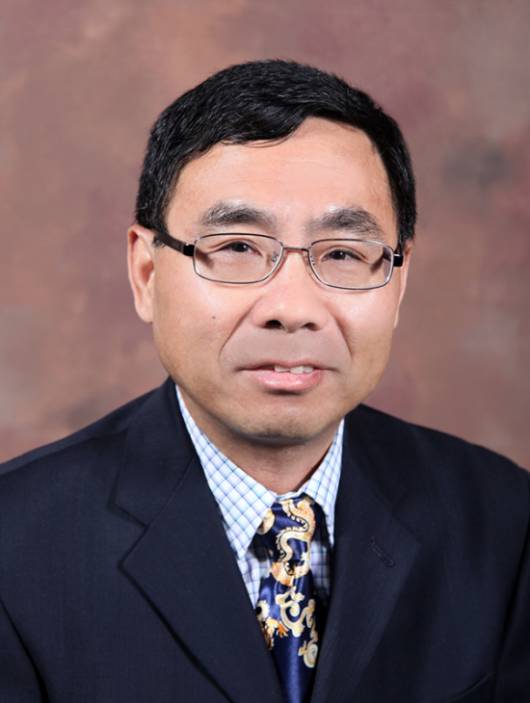
Dianqing Wu, PhD is the Gladys Phillips Crofoot Professor of Pharmacology at Yale School of Medicine. He holds primary appointments in the Department of Pharmacology and is affiliated with multiple research programs including Cancer Signaling Networks, Vascular Biology and Therapeutics Program, Yale Cancer Center, and Yale Center for Immuno-Oncology.
Dr. Wu received his BS from Nanjing University (1985) and Clarkson University (1991), followed by a PhD from California Institute of Technology (1994) where he also completed his postdoctoral training.
His research program focuses on understanding the molecular basis of signal transduction pathways, particularly those initiated by seven-transmembrane receptors. His laboratory investigates both chemoattractant and Wnt-activated signaling pathways. In chemoattractant research, his lab has made significant contributions to understanding signaling mechanisms related to PLC ß, PI3K?, PIXa/Pak/Cdc42, PTEN, P-Rex1, and Myo1f. In Wnt signaling, his most notable contributions include discovering the LRP-5/Axin interaction and characterizing Dkk2's role in osteogenic differentiation. His current work explores Wnt signaling mechanisms in osteoporosis, metabolic syndrome, diabetes, and tumorigenesis using computational and chemical genomic approaches.
Analysis of Dr. Wu's recent publications (2021-2024) reveals a strong interdisciplinary focus spanning molecular biology, immunology, and pharmacology. His work demonstrates consistent innovation in understanding cellular signaling mechanisms with applications to cancer, inflammatory diseases, and metabolic disorders. A notable trend in his recent work is the exploration of RNA-based mechanisms in neutrophil function and the role of lipid metabolism in signaling pathways, reflecting the evolving nature of his research program.
- Wnt signaling mechanisms and functions
- Regulation of neutrophil migration
- Atherosclerosis
- Wnt signaling in bone development and diseases
- Wnt signaling and stem cell biology
Dr. Wu mentors students and postdoctoral fellows through Yale's training programs including the Yale Cancer Prevention and Control Training Program and the Yale Combined Program in the Biological and Biomedical Sciences. His laboratory employs diverse methodologies including molecular and cell biological techniques, biochemical assays, transgenic models, functional genomics, proteomics, and computational approaches.
Dr. Wu leads a productive research laboratory that bridges basic science and translational applications, with significant implications for understanding and treating various diseases including cancer, inflammatory bowel disease, acute lung injury, metabolic disorders, and bone diseases.