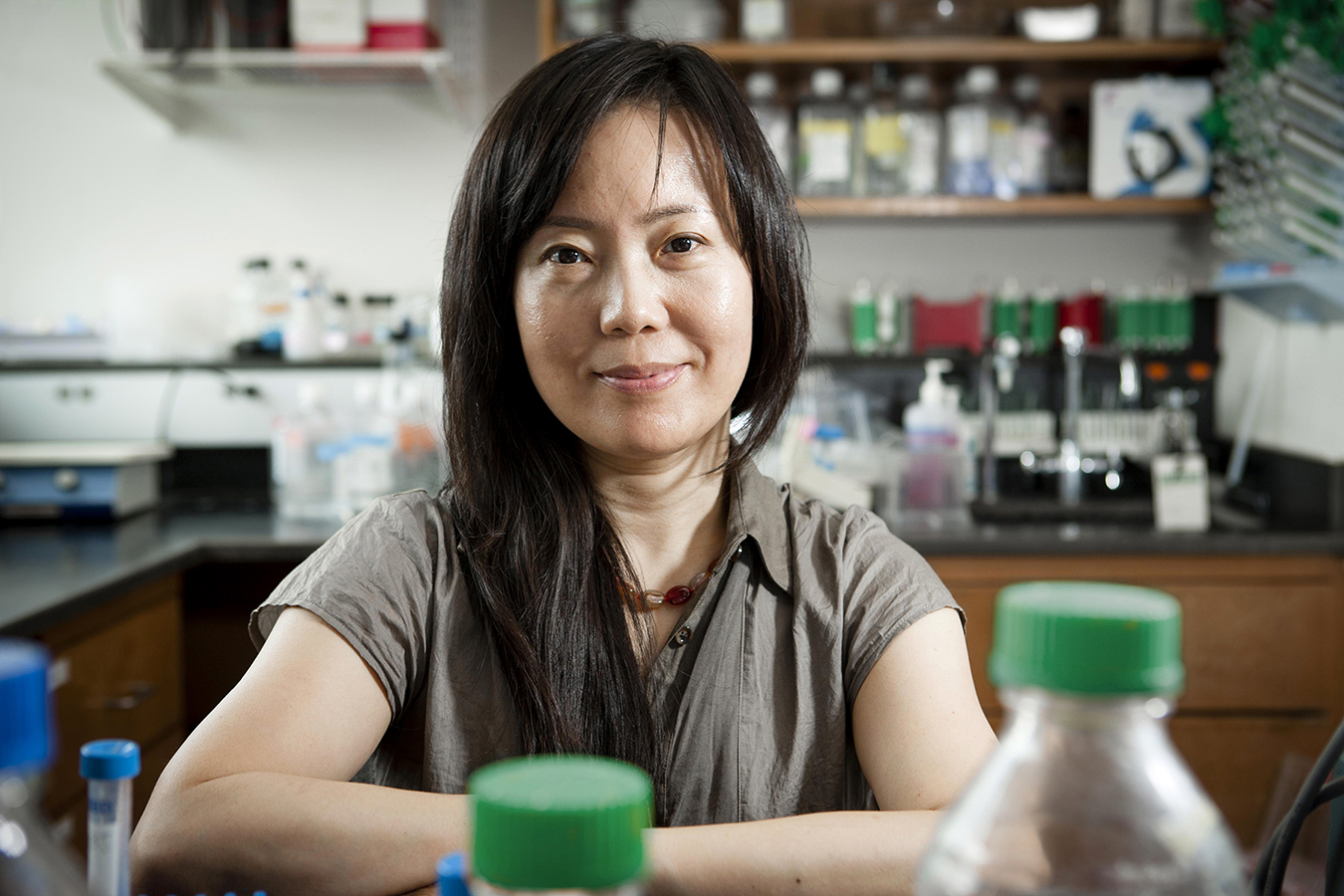
معرفی
Dr. Despina Siolas is an Assistant Professor at Weill Cornell Medicine's Graduate School of Medical Sciences, where she leads the Siolas Lab focused on gastrointestinal cancers. Her research bridges molecular oncology and immunology, with emphasis on pancreatic and colorectal cancers. She is affiliated with the Department of Medicine and the Cell & Developmental Biology PhD program.
Her research interests include cancer biology, tumor immunology, and therapeutic resistance, particularly how tumor genetics shape the immune microenvironment. She employs CRISPR/Cas9 and 3D organoid models to investigate mechanisms of immunotherapy resistance in pancreatic ductal adenocarcinoma (PDA) and differences between left- and right-sided colon cancers. Her work aims to enable patient stratification and personalized treatment regimens.
The recent publications reflect a strong trend in tumor microenvironment analysis, genotype-immunophenotype interactions, and preclinical modeling of gastrointestinal cancers. Her studies integrate molecular genetics with immunological profiling to uncover mechanisms of therapy resistance and identify novel therapeutic targets.
- NIH Mentored Clinical Scientist Research Career Development Award (K08)
- Department of Defense Pancreatic Research Program Idea Development Award
- Women in Cancer Research Brigid Leventhal Scholar Award
- Rising Star in Oncology, Society for Translational Oncology
- AMA Foundation Leadership Award Winner
- E-Trade Financial Scholarship
- Postdoctoral Research Symposium Winner, NYU Langone Health (2020)
Dr. Siolas has secured significant grant funding, including an NIH K08 and a DoD award, supporting her translational research. She mentors students in cancer biology and is actively involved in national initiatives such as the Alliance for Clinical Trials in Oncology. She co-founded the Weill Cornell Medicine Hematology/Oncology Women Physicians Group, promoting leadership and inclusion.
She leads the Siolas Lab, which utilizes advanced models like organoids and gene editing to study tumor-immune interactions. Her team collaborates across institutions and is part of the Tri-Institutional network, contributing to a dynamic research environment focused on improving outcomes for gastrointestinal cancer patients.