معرفی
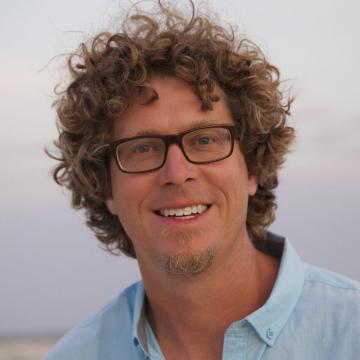
David W. Johnston is a Professor of the Practice of Marine Conservation Ecology and Associate Dean for Teaching Innovation at Duke University's Nicholas School of the Environment. He directs the Marine Robotics and Remote Sensing (MaRRS) Lab and chairs the Duke Environmental Leadership Program. With a PhD from Duke University and postdoctoral training at the Monterey Bay Aquarium Research Institute, his expertise spans marine conservation, robotics, and remote sensing. His research focuses on advancing drone and sensor technologies for ecological monitoring, conservation, and education. Notable projects include studying Antarctic wildlife populations, coastal habitat assessment, and developing UAS applications for environmental science. He has authored over 70 peer-reviewed publications and leads grants like the NSF-funded North Carolina Ecosystem Technology (NCET) Economic Engine. His teaching portfolio includes courses on marine robotics, climate change impacts, and marine mammal ecology. Current advisees include doctoral candidates Greg Larsen and Patrick Gray, among others.
- Education: PhD in Marine Science (Duke University, 2004)
- Key Affiliations: MaRRS Lab Director, DEL-MEM Program Chair
- Grants: NSF NCET Engine, NASA Carbon Storage Study, Spring Point Partners Water Innovation
- Teaching Innovations: Online UAS course series, field-based marine ecology courses
Research Interests: Robotic applications in marine science, coastal ecosystem resilience, drone-based wildlife monitoring, and technology-driven conservation strategies. His work bridges cutting-edge technology with ecological problem-solving, emphasizing open-source approaches for collaborative science.
Advising: Supervises 6 current graduate students across PhD and MEM programs, focusing on robotics, ecology, and environmental management. Recent lab publications address penguin colony dynamics, whale foraging behaviors, and coastal change modeling via drones.
Labs/Teams: MaRRS Lab (MarineUAS.net) develops UAS platforms for marine research; collaborates with NOAA, NGOs, and international institutions on conservation tech projects.