David S. Weiss
استاد · Atomic, Molecular, and Optical Physics
Pennsylvania State Universityمعرفی
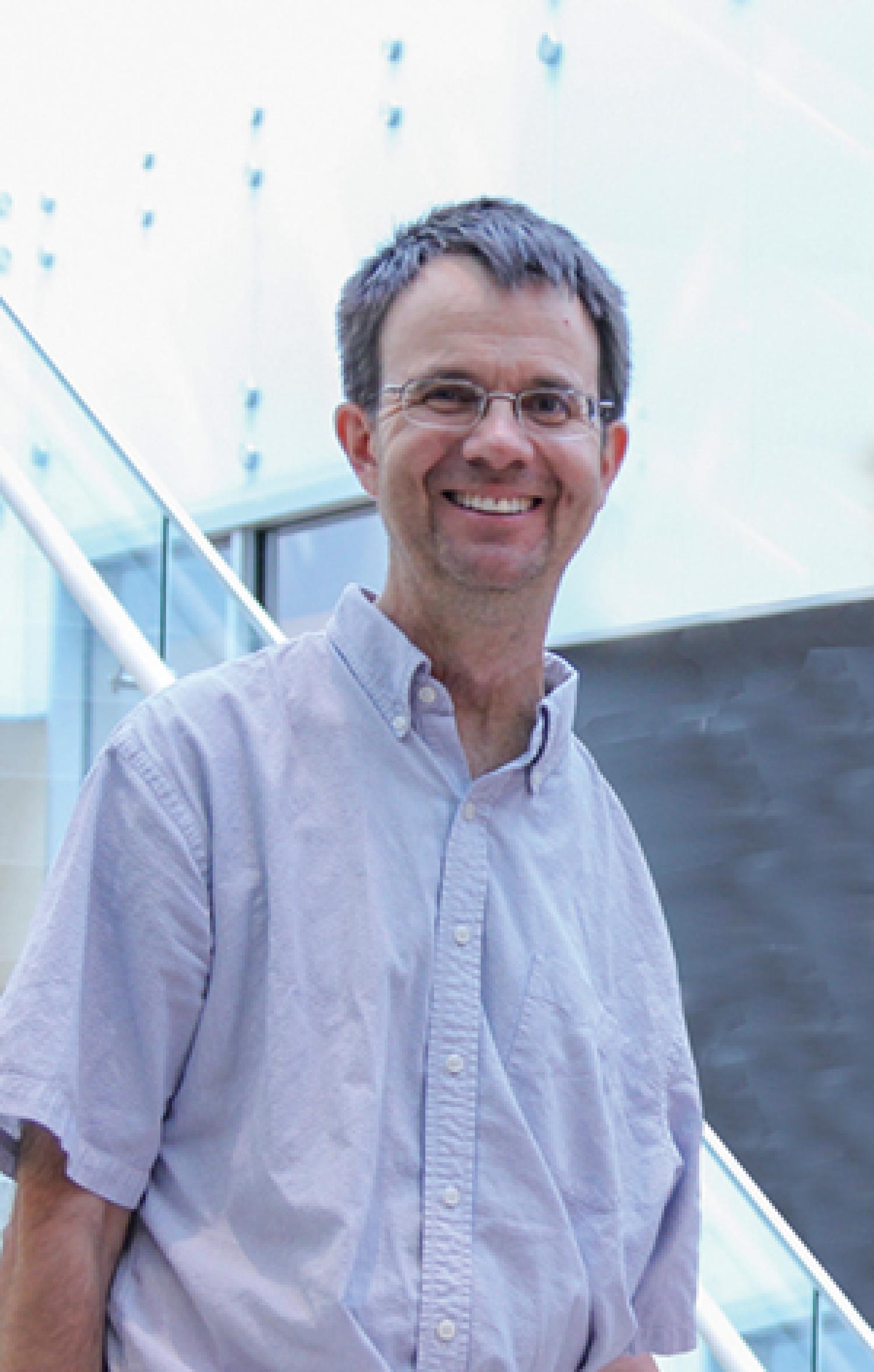
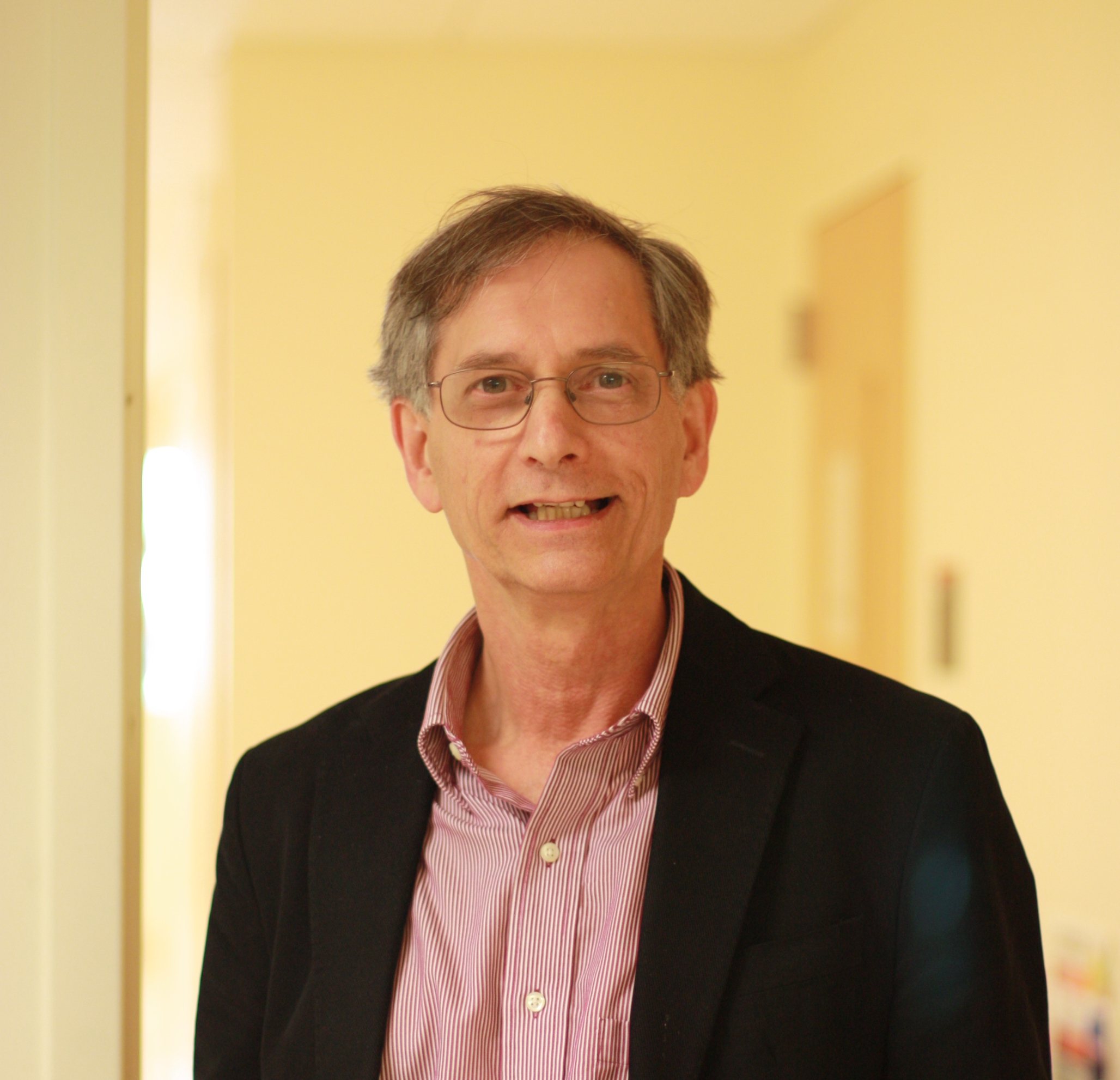
David S. Weiss is a Distinguished Professor of Physics at Pennsylvania State University's Eberly College of Science. His research focuses on laser-cooled atoms in optical lattices, quantum computing, and precision measurements of fundamental constants. He leads a group with expertise in Bose-Einstein condensates, quantum information, and symmetry tests via atomic systems. His work includes three experimental setups: Bose-Einstein condensates in optical lattices, a 3D neutral atom quantum computer, and an electric dipole moment measurement apparatus.
Education: Ph.D. in Physics from Stanford University (1993); B.A. summa cum laude in Physics from Amherst College (1985). He has held significant roles, including DAMOP Chair (2015-16) and Fellowships from AAAS and the American Physical Society. His honors include the Davisson-Germer Prize (2022) and Packard/Sloan Fellowships (1997).
Research Interests: Experimental atomic and quantum physics, including hydrodynamization in 1D Bose gases, quantum computing with neutral atoms, and precision measurements of the electron's electric dipole moment. His group's innovations span single-atom control, generalized hydrodynamics, and entanglement generation in 3D arrays.
Awards: Extensive recognition includes the NSF Early Career Award (1996-2001) and the ONR Young Investigator Award (1995-8). His lab actively pursues collaborations in theoretical physics and hosts graduate/postdoc positions.
Advising and Grants: Advises eight graduate students and undergraduate Ryan Zhang. Research supported by NSF, Air Force Office of Scientific Research, and Penn State initiatives. His team collaborates on grants exploring quantum computing architectures and many-body dynamics.
Labs/Teams: The Weiss Lab operates three experimental platforms at Penn State, focusing on quantum simulation, precision metrology, and scalable quantum computing. The lab emphasizes interdisciplinary approaches, combining atomic physics with condensed-matter theory and quantum information science.