معرفی
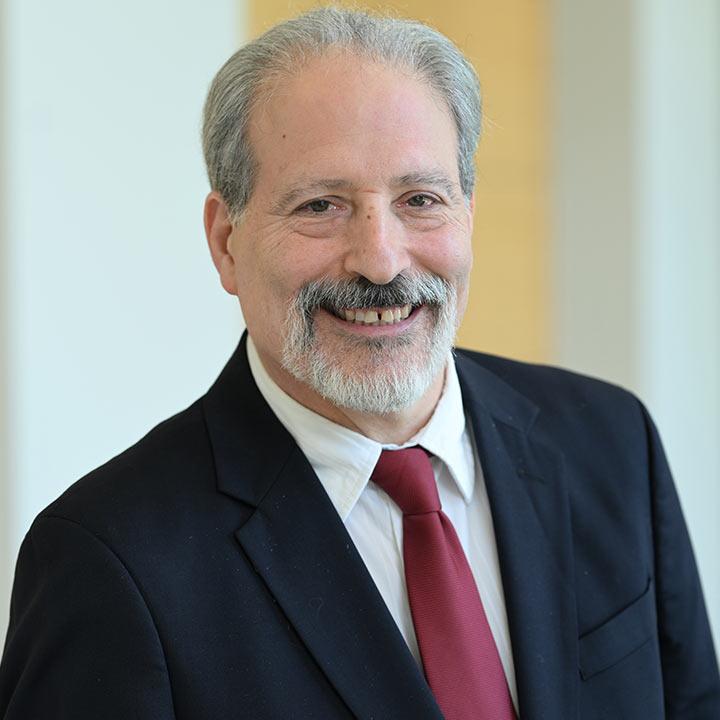
David N. Dorfman is an Assistant Professor of Law at the Elisabeth Haub School of Law, Pace University, where he has taught since 1995. He supervises the Barbara C. Salken Criminal Justice Clinic and teaches courses in Criminal Law, Criminal Procedure, and New York Criminal Procedure. His legal career includes prior teaching at NYU School of Law and work as a criminal defense attorney with the Legal Aid Society in Brooklyn.
- JD, Chicago-Kent College of Law
- MA, University of Chicago
- IBA, City University of New York-Queens College
Professor Dorfman's research centers on criminal justice, legal theory, and the intersection of law and morality. His work explores jury nullification, police credibility, sentencing practices, and the philosophical underpinnings of criminal procedure. He brings a critical and humanistic perspective to legal education, informed by his background in art criticism and aesthetic theory.
His publications span doctrinal legal scholarship and theoretical inquiry, with recent and ongoing work addressing federal sentencing post-Booker, the secularization of sentencing rituals, and the ethical dimensions of legal representation. Key themes include judicial discretion, moral judgment in law, and reform of criminal defense practices.
- National Endowment for the Arts – Art Critics Grant, 1978
Dorfman advises clinical students in the Criminal Justice Clinic and has contributed to legal education through curriculum development, including authoring a teaching manuscript on New York Criminal Procedure. There is no mention of external grants, but his work is supported through institutional affiliations and public scholarship. He is actively involved in shaping the next generation of public defenders and legal theorists.
He is affiliated with the Barbara C. Salken Criminal Justice Clinic, where law students represent indigent clients, gaining practical experience in criminal defense. This clinic serves as both a teaching platform and a service to the community, reflecting Dorfman’s commitment to access to justice and experiential learning.