معرفی
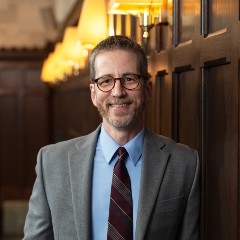
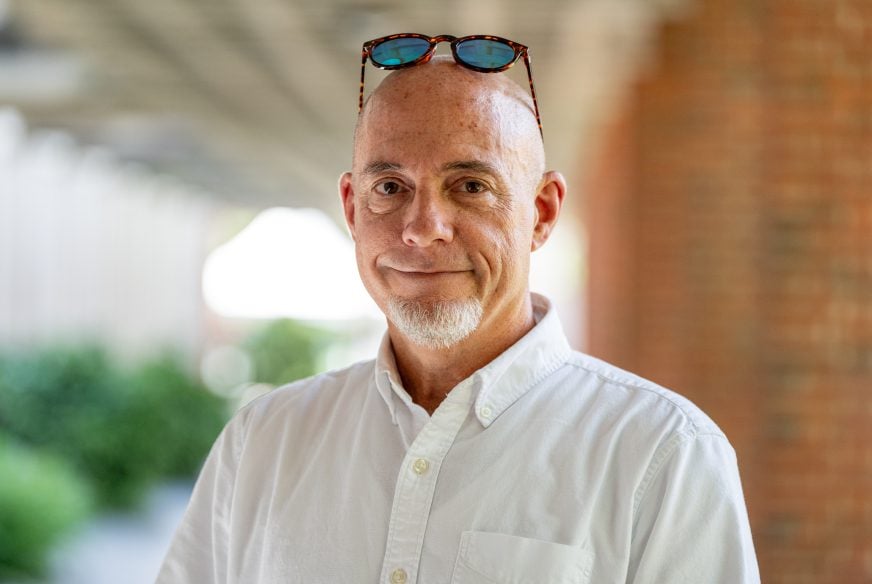
David I. Gandolfo serves as Associate Professor of Philosophy and Chair of the Poverty Studies program at Furman University, where he has been a dedicated faculty member since 2003. His academic journey, forged through nearly a decade of work in African development programs and two years studying Ignacio Ellacuría's philosophy in El Salvador, centers on bridging theoretical rigor with real-world social justice challenges. Gandolfo is renowned for his commitment to empowering students to critically examine power structures and envision equitable global systems through experiential learning in Latin America.
His educational foundation includes advanced philosophical training that informs his distinctive approach to ethics and liberation theology:
- Ph.D. in Philosophy from Loyola University of Chicago
Gandolfo's research interrogates economic ethics, liberation philosophy, and international justice through the lens of Latin American thought, particularly Ellacuría's work. He investigates how universities can embody social responsibility by learning from global peripheries, challenging neocolonial power dynamics in globalization, and fostering democratic supranational governance. His scholarship consistently advocates for centering marginalized perspectives in philosophical discourse while exploring the ethical responsibilities of privileged actors within academic institutions.
Analysis of his publication record reveals a cohesive trajectory focused on liberation philosophy's application to contemporary global challenges. Recurring themes include the ethical imperatives of privileged actors, the university's role in social transformation, and decolonial approaches to globalization. His work spans theoretical explorations in aesthetics and ethics to practical frameworks for poverty studies and solidarity-based pedagogy, demonstrating remarkable consistency in connecting philosophical inquiry with tangible social impact.
No specific scientific awards are documented in the provided materials, though his influential contributions to liberation philosophy and global justice scholarship are widely recognized in academic circles through his authoritative encyclopedia entry on Ellacuría and numerous publications.
In his teaching practice, Gandolfo ignites student passion for philosophy by connecting abstract concepts to urgent social issues. He directs study-abroad programs in Latin America that immerse students in poverty studies contexts, and as Poverty Studies program chair, he cultivates interdisciplinary collaborations addressing structural inequality. His pedagogical philosophy emphasizes making students 'comfortable enough to ask disturbing questions that might radically disrupt their lives,' fostering what he terms 'being on fire for these questions' as essential to meaningful philosophical engagement.
Through the Poverty Studies program and Latin American study-abroad initiatives, Gandolfo has built dynamic educational ecosystems where classroom theory meets community engagement. These platforms enable students to collaborate with grassroots organizations while developing critical consciousness about global power structures, ethical responsibility, and pathways to social transformation, creating tangible bridges between academic inquiry and real-world justice work.