معرفی
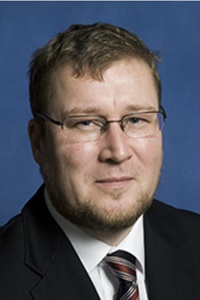
Dara Mojtahedi is a Reader in Forensic Psychology at the Department of Social and Psychological Sciences, School of Human and Health Sciences, University of Huddersfield. He serves as Deputy Director of the National Policing Doctoral Programme and is actively involved in research, supervision, and public engagement. He holds a PhD in Psychology and is accepting PhD students in forensic, investigative, and legal psychology.
His educational background includes:
- BSc (Hons) in Psychology
- Masters in Investigative Psychology
- PGCert in Higher Education
- PhD in Psychology (awarded 2018)
Dara's research focuses on the application of psychology in legal and investigative contexts. Key areas include eyewitness memory, jury decision-making, victim attitudes, and interviewing techniques. His work extends to human trafficking, sexual exploitation, and evidence-based policing. He has collaborated with FIFA on referee abuse, the NHS on burnout prevention, and anti-doping agencies.
His recent publications (2024–2025) reflect a strong trend in cognitive and forensic psychology, particularly on memory contamination, victim support, investigative barriers, and the psychological toll on professionals. These works appear in journals such as Legal and Criminological Psychology, Frontiers in Psychology, and Policing, indicating a focus on both theoretical and applied aspects of justice and mental health.
Dara has contributed to UK parliamentary reports and has been featured in media outlets including the BBC and ITV, discussing high-profile cases and research findings. His public engagement underscores the societal impact of his work.
He is actively involved in academic service, including peer review, editorial work, and invited talks. His research contributes to UN Sustainable Development Goals, particularly those related to justice, well-being, and inclusive societies.
Dara supports PhD supervision and collaborates with external organizations on applied research projects. He is part of a research network focused on forensic and investigative psychology, working closely with colleagues like Maria Ioannou, John Synnott, and Calli Tzani Pepelasi.