معرفی
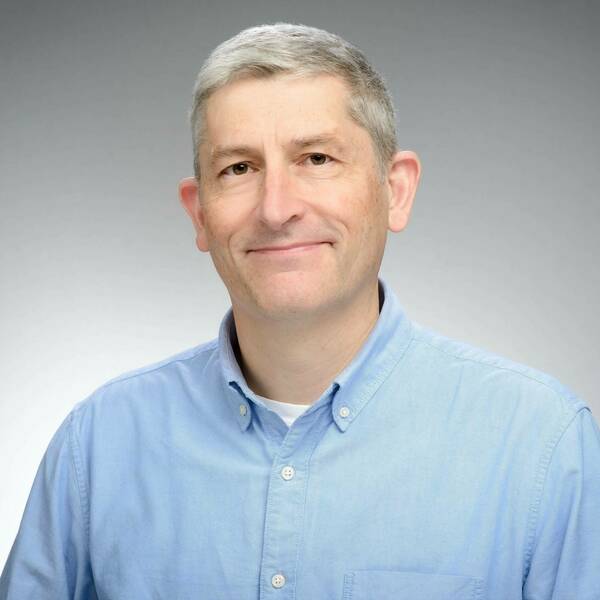
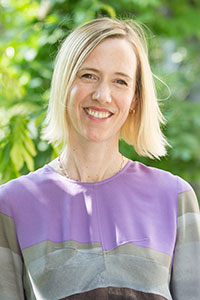
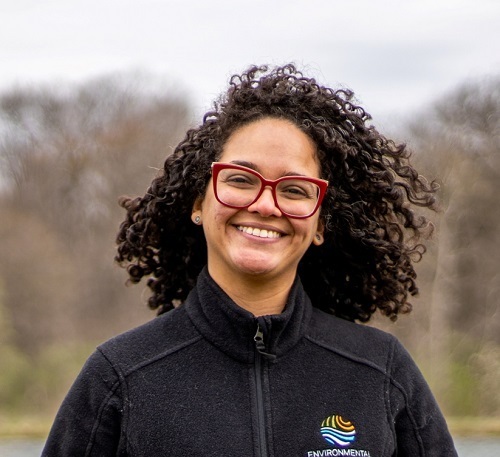
Daniele Miranda is an Assistant Research Professor in the Department of Biological Sciences at the University of Notre Dame, where she has been actively contributing to environmental research since 2023. She previously served as a Postdoctoral Fellow at the same institution, collaborating across Biological Sciences and Physics and Astronomy, and is currently affiliated with the SWEL lab under Dr. Gary Lamberti.
Education:
- Post-doctoral, University of Notre Dame, 2021–2023
- Ph.D. in Ecology, Federal University of Bahia, Brazil, 2021
- M.Sc. in Oceanography, Federal University of Pernambuco, Brazil, 2015
- B.S. in Biology, Catholic University of Salvador, Brazil
- Guest Ph.D. Student, Stockholm University, Sweden, 2018–2019
Daniele's research centers on ecotoxicology, with a strong emphasis on the bioaccumulation and biomagnification of synthetic contaminants such as PFAS (Per- and Polyfluoroalkyl Substances), PCBs, and pesticides in aquatic ecosystems. Her work spans tropical and temperate regions, including the Western Tropical Atlantic and the Great Lakes, investigating how these persistent chemicals move through food webs and pose risks to wildlife and human health. She employs field sampling, chemical analysis, and ecological modeling to understand contaminant transport and trophic transfer.
Her recent publications highlight a clear trend toward global assessment of PFAS biomagnification, particularly in aquatic food webs. Her studies integrate environmental chemistry with ecosystem ecology, focusing on contamination sources, dispersion patterns, and health implications. She has contributed significantly to understanding both legacy pollutants like PCBs and emerging contaminants like PFAS.
Scientific Awards:
Daniele Miranda has been involved in multiple collaborative research projects, particularly with Dr. Gary Lamberti at Notre Dame, focusing on PFAS dynamics in fish populations. While specific grant details are not mentioned, her postdoctoral and faculty roles suggest sustained funding support. She has mentored co-authors and contributed to training the next generation of environmental scientists, though formal advisees are not listed. She has not advised any named students in the provided text.
She is a key contributor to the Sustainable Water and Environmental Laboratory (SWEL) at the University of Notre Dame, where her research on contaminant cycling and food web ecology supports broader efforts in environmental sustainability and public health protection.