معرفی
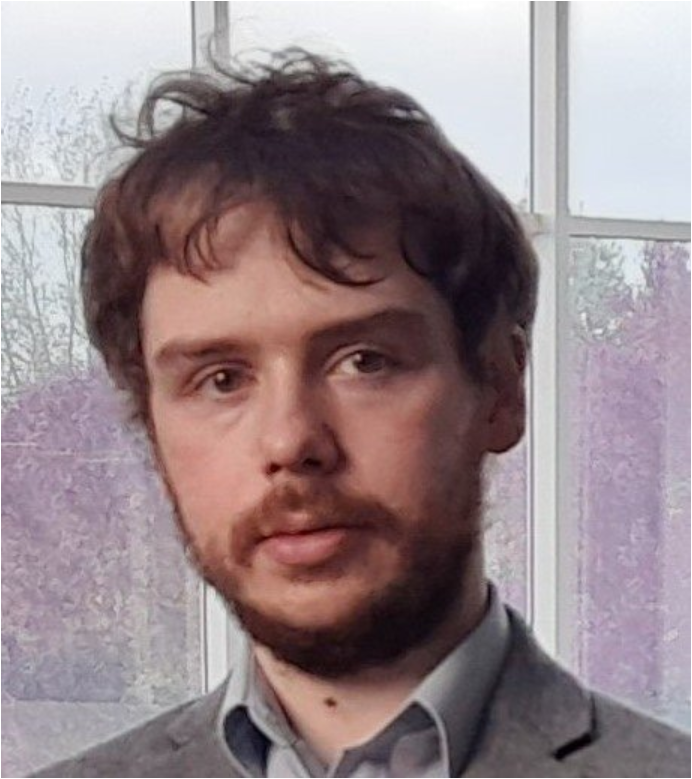
Daniel Gettings is a Sessional Tutor in the Department of History at the University of Warwick, specializing in early modern English history with a focus on water culture and its social, religious, and environmental dimensions.
His educational background includes:
- PhD in History from the University of Warwick (2025)
- MA in Early Modern History from the University of Warwick (2020)
- BA (Hons) in History from the University of Warwick (2016-2019)
Gettings' research centers on the cultural understandings of water in early modern England (1550-1750), exploring how people related to water in their daily lives, religious practices, and community formations. His work bridges environmental history, religious studies, and social history, examining topics such as drinking water typologies, river pollution protests, and the relationship between water and spiritual concepts. His interdisciplinary approach connects historical water practices to contemporary environmental concerns, demonstrating the long-standing human preoccupation with water quality, access, and meaning.
His published articles demonstrate a consistent focus on water history, particularly examining how early modern English people conceptualized and interacted with water. These works reveal patterns in how communities responded to water pollution, developed classifications of water quality, and integrated water into religious and social practices. Gettings' scholarship contributes to the growing field of environmental history by providing historical context for contemporary water issues, showing that concerns about water purity, pollution, and access have deep historical roots.
Gettings has presented his research at numerous international conferences across Europe and North America, including events at the University of Warwick, Technische Universität Dresden, University of Bristol, IEHCA in Tours, France, University of Exeter, Medici Archive in Florence, Newberry Library in Chicago, VUB in Brussels, and Université de Lille.
He has actively engaged with public audiences through platforms like The Conversation and Many-Headed Monster, and contributed to Coventry City of Culture events, demonstrating his commitment to making historical research accessible beyond academic circles.