معرفی
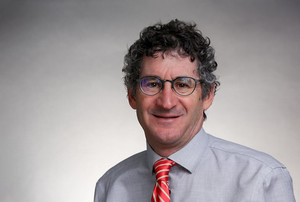
Dan Cristol is a Chancellor Professor in the Department of Biology at William & Mary, where he has served as a faculty member for 27 years and currently directs the 1693 Scholars Program. He previously held the role of Director of Undergraduate Research (2019–2022) and has been a central figure in both research and teaching within the College of Arts & Sciences.
Education:
- B.S. in Natural Resources, Cornell University (1985)
- Ph.D. in Biology, Indiana University (1993)
- NSF-NATO Postdoctoral Fellow, Oxford University (1994)
- Postdoctoral Fellow, University of California-Davis (1995)
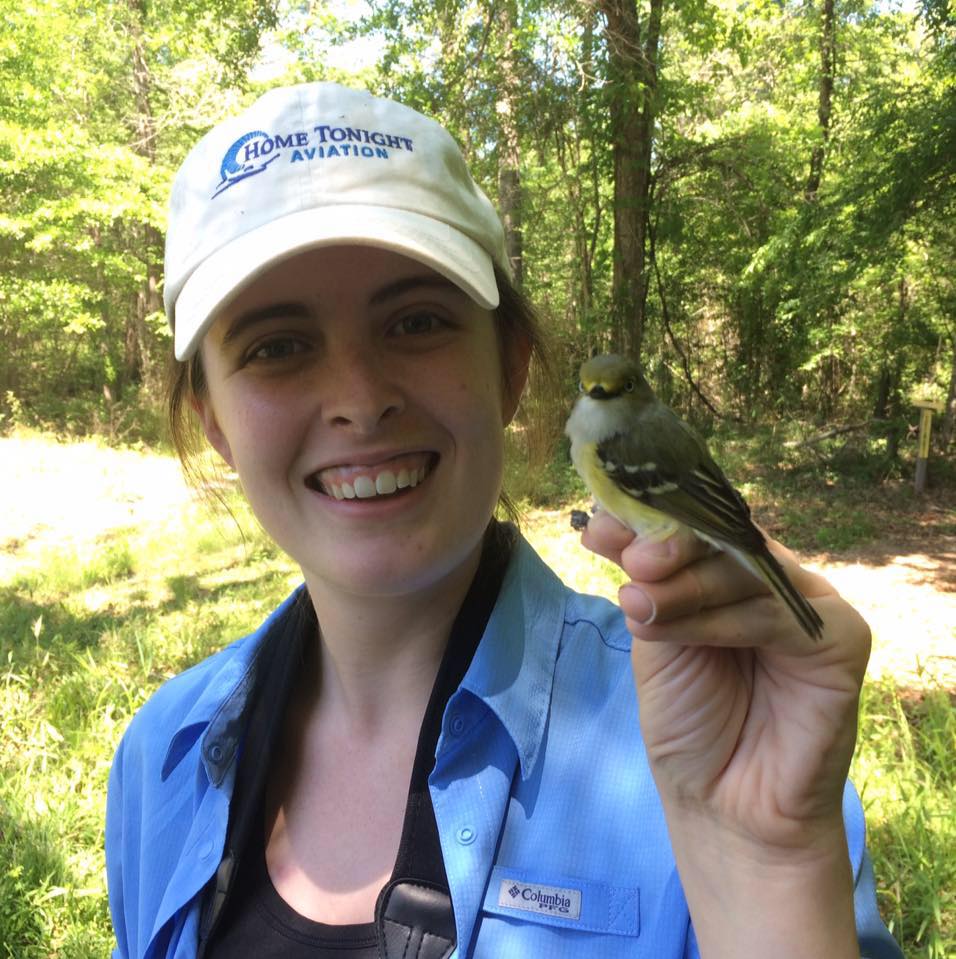
Dan specializes in avian ecology, with a focus on bird migration, behavior, and ecotoxicology, particularly the impacts of mercury pollution on songbirds. His interdisciplinary research bridges ecosystem ecology, behavioral biology, and toxicology. He has pioneered studies showing how mercury moves from aquatic to terrestrial food webs, affecting invertebrates and songbirds, and has advanced mechanistic understanding through controlled lab experiments using zebra finches. His work has revealed effects on reproduction, endocrinology, immune function, singing behavior, and even rapid evolutionary responses.
His 15 most recent publications reflect a strong trajectory in environmental toxicology, with recurring themes of mercury biomagnification, neurobehavioral and physiological impacts, genetic variation in susceptibility, and experimental validation of field observations. These works span ecology, neuroscience, genetics, and conservation, often published in high-impact journals.
Scientific Awards:
- Chancellor Professor of Biology (2005–present)
- Mitchell A. Byrd Award for Scientific Achievement (2011)
- Plumeri Faculty Excellence Award (2008)
- Outstanding Faculty Award (SCHEV, 2007)
- M. S. Curtis Distinguished Associate Professorship (2005)
- Phi Beta Kappa Faculty Award (2004)
- Alumni Fellowship Teaching Award (2003)
Dan has secured over $1.5 million in external funding, including an NSF CAREER grant, supporting his research on mercury and avian health. He has mentored approximately 150 undergraduates and over 40 Master’s students, fostering a highly productive lab that regularly presents at international conferences. His mentorship emphasizes hands-on, cutting-edge science with real-world applications in environmental and human health.
He leads a dynamic research lab that integrates field and laboratory studies, utilizing William & Mary’s zebra finch colony to investigate causal mechanisms of mercury toxicity. His team continues to explore evolutionary responses, genetic variation, and the broader ecological implications of contaminant exposure in wildlife.