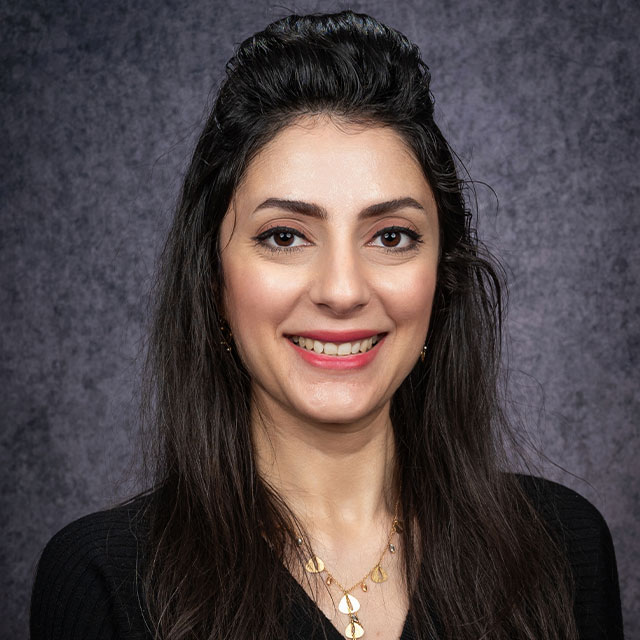
معرفی
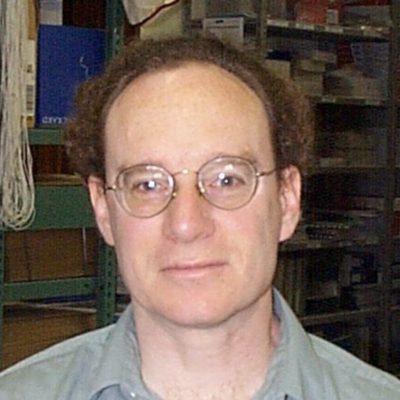
Dale LeCaptain is a Professor in the Department of Chemistry and Biochemistry at Central Michigan University, part of the College of Science and Engineering. He has been a faculty member since 2001, contributing to both undergraduate and graduate education in analytical chemistry.
Education:
- B.S. in Chemistry, University of Wisconsin LaCrosse, 1994
- Ph.D. in Analytical Chemistry, Michigan State University, 1999
- Postdoctoral Research, Michigan State University, 1999–2000
- Postdoctoral Research, Colorado State University, 2000–2001
His research focuses on analytical chemistry with applications in fermentation technologies (particularly brewing), environmental analysis (especially coastal wetlands and gas measurements), green chemistry (bio-based plasticizers and sustainable materials), and STEM education enhancement. His work integrates practical analytical methods into curriculum development and teacher training. He has co-developed the Environmental Chemistry Concentration and leads innovative lab-based learning initiatives.
The recent publications reflect a strong trend in applying analytical techniques to sustainable technologies, including biodiesel production, biodegradable plasticizers, and nanosensors for environmental monitoring. These works span polymer science, green chemistry, and environmental engineering, demonstrating interdisciplinary impact.
Scientific Awards:
- No awards listed in the provided text.
Advising and Grants:
Dr. LeCaptain mentors students in research, evidenced by multiple student co-authors on publications in journals such as Journal of Chemical Education, European Polymer Journal, and Energy & Fuels. His projects often involve undergraduate participation, particularly in STEM training and curriculum innovation. While specific grants are not mentioned, his research in sustainable chemistry and teacher training suggests externally funded educational and environmental initiatives.
Labs and Teams:
He collaborates closely with the Tomasik lab on research-based laboratory innovations across the chemistry curriculum. His team focuses on developing novel analytical methods for industrial and environmental applications, integrating research into teaching at all levels.