معرفی
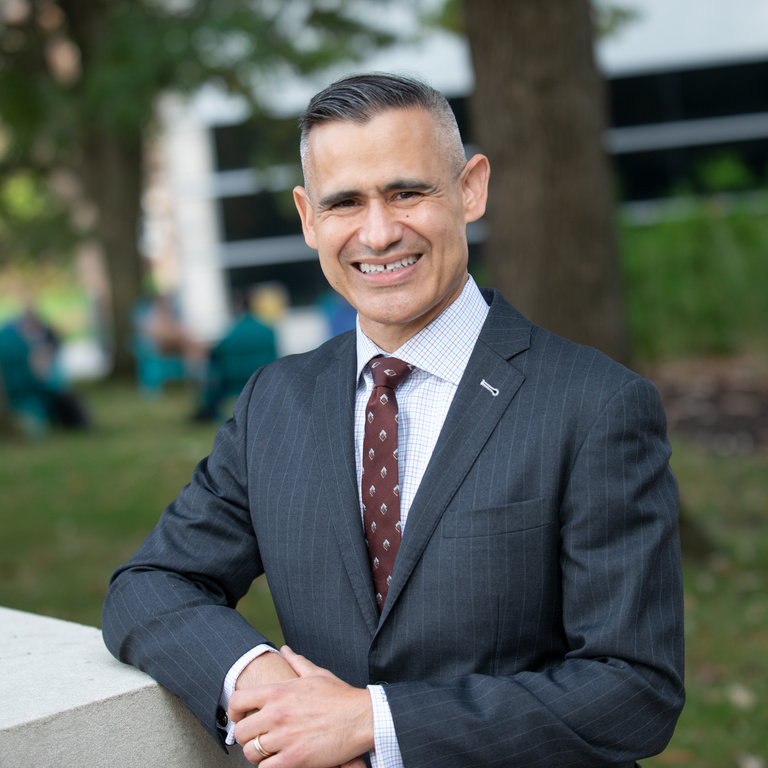
César F. Rosado Marzán is a Professor of Law at the University of Iowa, with a joint affiliation in the Department of Sociology. He is affiliated with the College of Law and contributes to interdisciplinary research in criminology, law, and social science. His academic background bridges legal and sociological scholarship, positioning him at the intersection of public affairs and socio-legal studies.
His educational background includes advanced degrees from prestigious institutions: a PhD and MA in Sociology from Princeton University, and a JD from the University of Pennsylvania Law School. These qualifications reflect a strong foundation in both legal theory and sociological research.
Dr. Rosado Marzán's research interests center on the sociology of law, criminology, gender and family, social and political organization, and social psychology. His work likely explores how legal systems interact with social structures, with implications for policy, justice, and equity. Given his involvement with centers such as the Center for Criminology and Socio-Legal Studies and the Center for the Study of Group Processes, his scholarship is deeply embedded in group dynamics and institutional analysis.
While no recent publications are listed in the provided text, his academic profile suggests a focus on interdisciplinary socio-legal research, likely involving qualitative and quantitative methods in the domains of justice, law, and social behavior.
- PhD in Sociology, Princeton University
- MA in Sociology, Princeton University
- Juris Doctor (JD), University of Pennsylvania Law School
He is actively engaged in academic service and interdisciplinary collaboration, though specific advising roles or grant activities are not detailed in the current text. His presence in both law and sociology indicates a robust commitment to bridging disciplinary boundaries in research and teaching.
Dr. Rosado Marzán is associated with key research centers at the University of Iowa, including the Center for Criminology and Socio-Legal Studies and the Center for the Study of Group Processes, suggesting active participation in collaborative, team-based research initiatives focused on law, justice, and social dynamics.