معرفی
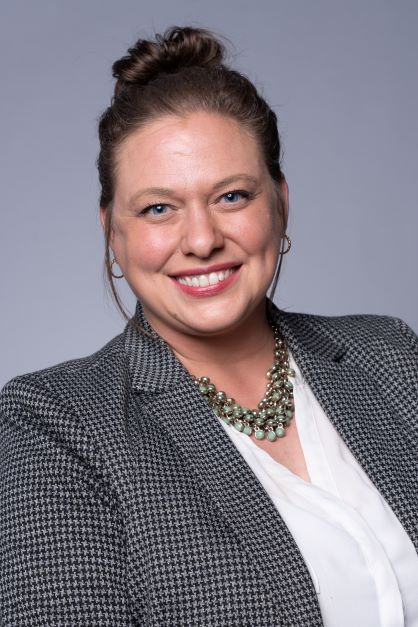
Colleen Warner is a Professor in the Department of Communication at the University of Missouri, College of Arts and Science. She holds affiliate faculty positions in the Department of Human Development and Family Studies and serves as a Faculty Fellow at the Center for Family Policy and Research. Her academic roles include serving as Associate Editor for the Journal of Social and Personal Relationships (2020-2023) and Director of the Communication in Open Adoption Relationships Project Research Lab since 2019. Warner has taught courses such as Family Communication, Children’s Communication, and Interpersonal Communication, emphasizing practical and theoretical engagement with diverse family structures.
Dr. Warner earned her Ph.D. in Communication Studies from the University of Nebraska-Lincoln (2011), an M.A. from Wake Forest University (2007), and a B.A. from Cedarville University (2004). Her research focuses on how communication shapes identity and relationships in adoptive families, interfaith families, and other modern family configurations. She has developed interventions like the Tree of Life Narrative Intervention and Emotion Coaching programs to support families in navigating complex identities and challenges.
Warner’s articles consistently explore themes of adoption communication, family diversity, and child-centered approaches. Her work highlights the importance of communication in managing privacy, identity gaps, and intergenerational relationships. Notable awards include the University of Missouri Graduate Faculty Mentor Award (2020) and multiple Top Paper Awards from the National Communication Association (2020, 2017, 2015). She has advised numerous graduate students, many of whom have assumed academic or professional roles in communication and family studies.
Her service contributions span editorial roles, grant reviews, and leadership in departmental committees, including the Search Committee for Identity, Diversity, and Equity Hire (Co-Chair, 2019). Warner also leads community-engaged initiatives, such as the Neurosequential Model of Therapeutics and Trust-Based Relationship Interventions, to address trauma and parenting challenges in adoptive and foster families.