معرفی
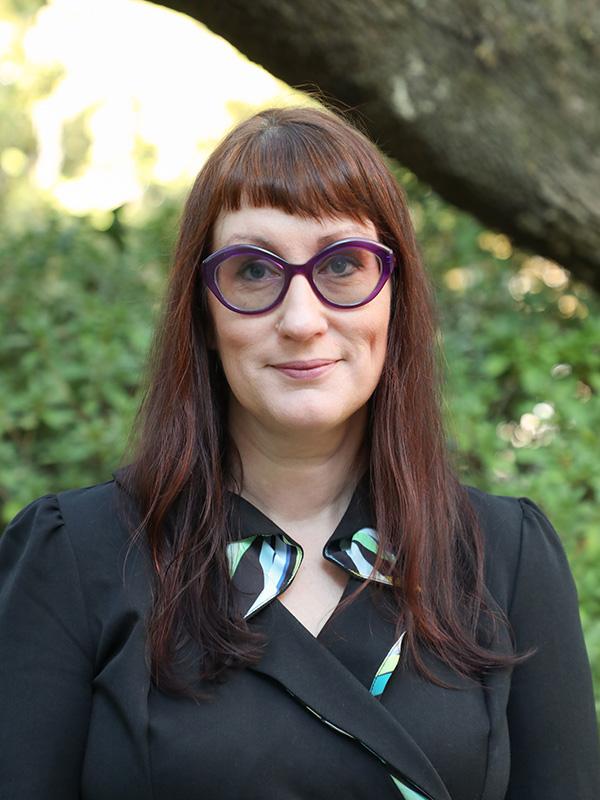
Claudine Sagaert is a Lecturer in Philosophy and Human Sciences at the University of Montpellier, Faculty of Humanities. She teaches across multiple educational levels, from high school (Literary sections, Applied Arts, DNMADE, BTS fashion design) to university (L1-M2 levels in LEA and Letters). Her academic career spans philosophy, sociology, and anthropology, with a specialized focus on body representation, beauty, and ugliness studies.
Education:
- Doctorate in Sociology (2011), University of Strasbourg - "Genealogy of Ugliness," under David Le Breton
- Master's 2 in Philosophy, Paul Valéry University, Montpellier
- Master's Degree in Philosophy, University of Provence, Aix-en-Provence
- Bachelor's Degree in Philosophy, University of Provence, Aix-en-Provence
- Qualified by the National Council of Universities for lecturer position (2013-2017, renewed 2018-2021)
Claudine Sagaert's research centers on the multidisciplinary study of body representation, with particular emphasis on beauty and ugliness in their political, social, cultural, and artistic dimensions. Her work examines how concepts of ugliness have been historically constructed as tools of gender-based discrimination and social control. She investigates the ways in which female bodies have been stigmatized through notions of ugliness, connecting historical practices like witch hunts to contemporary beauty pressures. Her approach integrates philosophical inquiry with sociological and anthropological methods to analyze how bodily norms are established, maintained, and challenged across different historical periods and cultural contexts. Through this lens, she reveals how beauty standards function as mechanisms of power that disproportionately affect women.
Her publications reveal a consistent thematic focus on the political dimensions of bodily representation, particularly regarding gender. The trajectory of her work shows an evolution from historical analyses of beauty and ugliness concepts to contemporary examinations of cosmetic procedures like nymphoplasty and their societal implications. Her research demonstrates how ugliness functions as a socially constructed category used to marginalize and control, particularly targeting women who deviate from expected norms. Across her publications, she connects philosophical frameworks with empirical sociological observations, creating a rich interdisciplinary analysis of how bodily aesthetics intersect with power structures. A notable pattern is her examination of how historical stigmatization practices continue in modern forms, revealing the persistent connection between appearance judgments and social power dynamics.
Claudine Sagaert has gained significant media attention for her work, particularly following the publication of her book "History of Female Ugliness" (2015). Her research has been featured in major publications including Libération, Sciences Humaines, and Les Lettres Françaises. She has been invited to discuss her work on prominent media platforms such as Bibliothèque Médicis on Public Senat, France 2's "Dans quelle éta-gère," RTS Corpus, and Radio Canada.
As an academic mentor, Sagaert has supervised numerous conference presentations and collaborative research projects, particularly through her work with the Laboratoire Babel at the University of Toulon. Her collaborative approach is evident in her edited volumes and collective works, which bring together interdisciplinary perspectives on body representation and social norms. While specific grant information isn't detailed in the provided materials, her extensive conference participation across France and internationally suggests active engagement with academic research networks and potential funding support for her scholarly activities.
Claudine Sagaert is actively involved with research collectives including Laboratoire Babel (EA 2649) at the University of Toulon, where she contributes to the interdisciplinary axis of Social Sciences and Medicine. Her work bridges humanities and medical studies, examining how bodily representations intersect with healthcare practices and discourses. Through her participation in various research groups and conferences focused on body studies, she helps shape contemporary discussions about embodiment, gender, and social norms.