معرفی
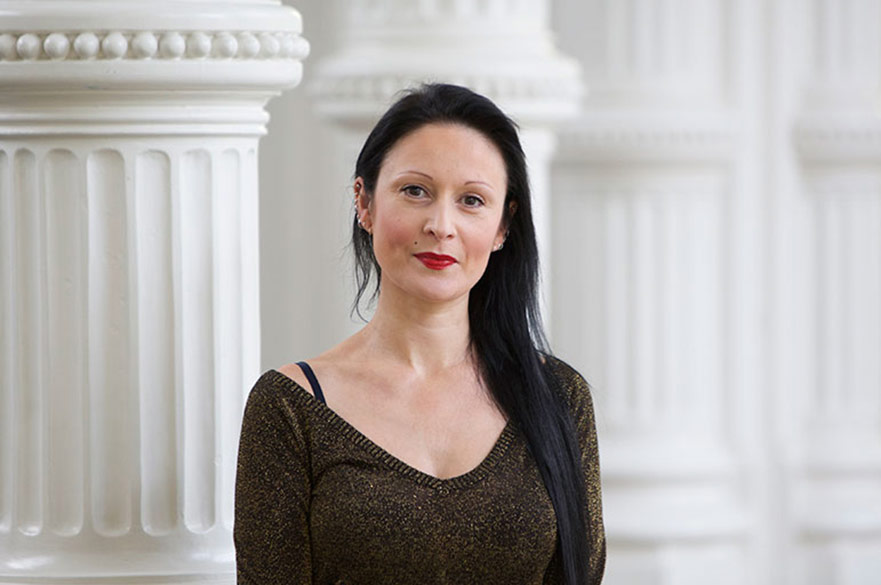
Clare Neylon is a Lecturer at the University of Salford's School of Arts, Media and Creative Technologies with over 10 years of service. She serves as deputy chair for taught ethics and AthenaSwan focus group lead, while contributing to the Creative Technology Research Centre.
Her educational background includes:
- Postgraduate Certificate in Academic Practice (University of Salford, 2014-2015)
- Bachelor's Degree in Drama and Theatre Studies (Trinity College Dublin, 1996-2000)
- MA Filmmaking (Manchester Metropolitan University, 2010-2012)
Neylon's research centers on Practice-as-Research in performance and film, specializing in co-creation methodologies and the intersection of historical suffrage movements with contemporary practice. She explores adaptive re-stagings of suffrage-era works, collaborative production techniques, and interdisciplinary approaches that integrate student participation to bridge academic and professional environments. Her work consistently addresses gender representation and historical continuity through creative practice.
Her 11 publications (2015-2021) reveal consistent focus on suffrage history, women's media representation, and performative protest. Key trends include reimagining historical feminist works for modern contexts, analyzing early 20th-century gender portrayals in sports media, and developing co-creative filmmaking methodologies addressing contemporary issues like revenge porn. The interdisciplinary nature spans film studies, political science, and gender theory.
Neylon actively supervises PhD candidates and has developed/led three degree programs: BA Media and Performance, MA TV and Radio Scriptwriting, and MA Screen Acting. Her teaching spans modules including Performance Studies, Documentary to Mockumentary, and Digital Collaboration Project, emphasizing professional simulation through major filmmaking projects. As an elected Senate member, she contributes to university governance through Programme Approval and Review panels.
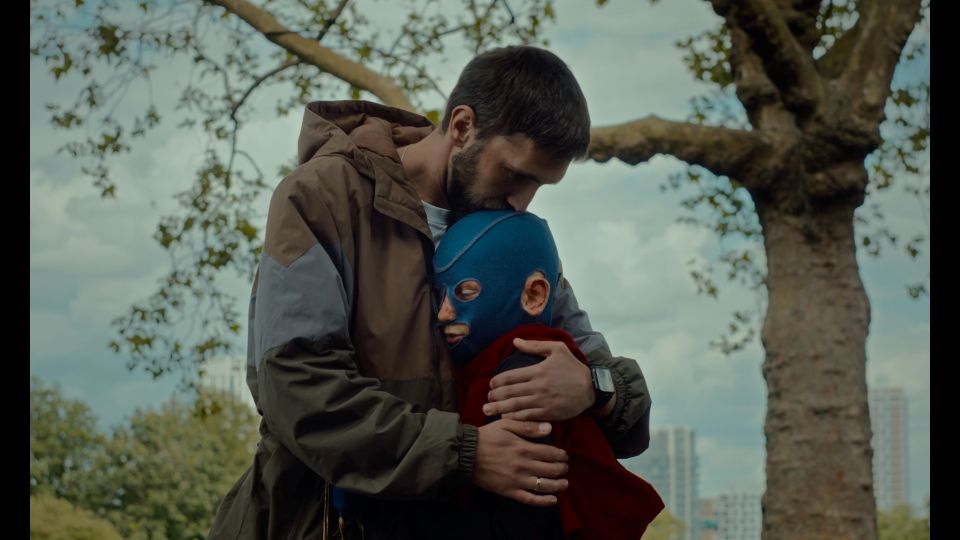
She operates within the Creative Technology Research Centre, where her collaborative projects like Not Just a Thought integrate student co-creation to address social issues through film. Her current Practice-as-Research project develops democratic filmmaking methodologies centered on co-creation principles.