معرفی
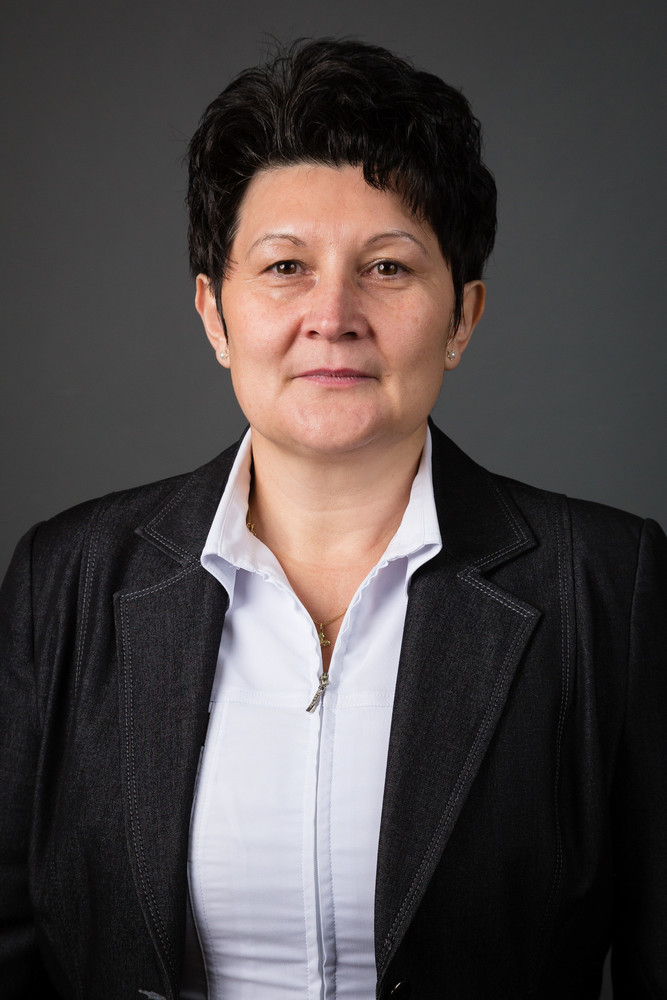
Dr. Clare Miller serves as an Adjunct Researcher in Environmental Geochemistry at the CODES ARC Centre within the School of Natural Sciences at the University of Tasmania. Simultaneously, she works as a Senior Scientific Officer at the Environmental Protection Agency, Tasmania (EPA), where she focuses on the Savage River Rehabilitation Project - a unique joint arrangement between Government and Grange Resources aimed at reducing impacts of past mining at Savage River.
Dr. Miller earned her PhD from Queen's University Canada in 2020 with research titled 'Arsenic mobility in a changing northern climate: Implications for geochemical baselines and long-term stability of contaminants in lake systems.' Her undergraduate studies also took place at Queen's University Canada, where she completed a BScH in 2013 with research on 'Removal of arsenic trioxide from a simulated human gastrointestinal system through adsorption onto Fe-oxides.'
Dr. Miller's research spans three primary areas: (1) informing remediation activities at legacy mine sites; (2) developing innovative strategies to mitigate mining impacts on environmental and community health; and (3) understanding climate change effects on mining activities, metal mobility, and baseline geochemical conditions. Through field-based sampling and microanalytical laboratory techniques, her work aims to minimize natural resource development impacts on ecosystems and human health. Her research often focuses on mineralogical controls on metal(loid) mobility in mine waste and environmental systems, with particular attention to arsenic behavior in changing environments.
Analysis of Dr. Miller's publication record reveals a strong focus on environmental geochemistry with emphasis on mining impacts and climate change interactions. Her research consistently examines how contaminants move through ecosystems, particularly in northern environments, with special attention to arsenic mobility. Much of her work combines field-based sampling with advanced laboratory techniques to understand long-term contaminant stability. A significant portion of her recent publications addresses remediation strategies for legacy mine sites, particularly in Western Tasmania, demonstrating practical applications of her research.
- Beach Meadows Teaching Assistant Award, 2019
- Greg Heath Teaching Assistant Award, 2018
- Gord and Katherine Keep Teaching Assistant Award, 2017
- Hemmera Teaching Assistant Award, 2017
- Griff Murphy and Anny Raymond Teaching Assistant Award, 2016
Dr. Miller actively supervises doctoral students on projects related to mine waste characterization, remediation strategies, and geoenvironmental studies. She has secured substantial research funding through multiple consultancy and contract research projects, totaling over $500,000, primarily from the Department of State Growth (Tasmania) and Natural Resources Canada. Her funded projects focus on innovative solutions for mine rehabilitation, geoenvironmental characterization of mine wastes, and understanding climate change impacts on mining activities. Dr. Miller's teaching experience spans geoscience subject areas including geological field methods, earth systems engineering, hydrogeology, and engineering site investigation.
Dr. Miller collaborates extensively through the CODES ARC Centre at the University of Tasmania and the Off-Campus Collaboration Network. Her work with indigenous communities in northern Canada during her graduate studies has informed her approach to community engagement in environmental research. At the EPA, she works within multidisciplinary teams focused on environmental protection and remediation projects, particularly the Savage River Rehabilitation Project which represents a significant government-industry partnership.