Christopher S. Willett
عضو هیئت علمی · Evolutionary Genetics
University of North Carolina at Chapel Hillمعرفی
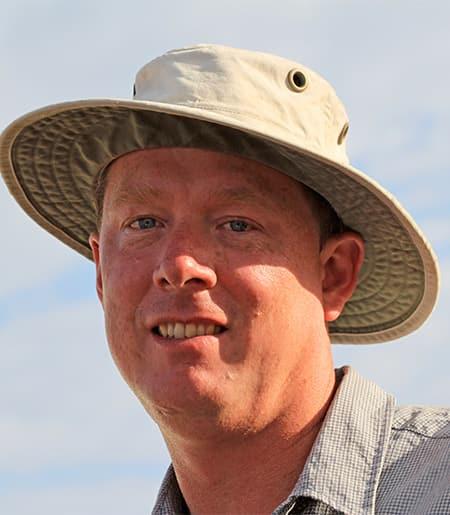
Christopher S. Willett is a Research Associate Professor in the Department of Biology at The University of North Carolina at Chapel Hill. His research focuses on evolutionary genetics and genomics, particularly speciation and adaptation in copepods and moths. He leads the Willett Lab, which explores the genetic basis of hybrid breakdown, thermal and salinity tolerance, and mito-nuclear interactions. Willett holds a Ph.D. in Genetics and Development from Cornell University and has been at UNC since 2002. He has received numerous awards, including NSF fellowships, and has secured over $2 million in grants.
Education:
- B.S. in Zoology, Michigan State University (1993)
- Ph.D. in Genetics and Development, Cornell University (1999)
Research Interests: Willett’s work centers on speciation genetics, physiological adaptation (temperature and salinity tolerance in copepods and Manduca sexta), comparative genomics, and conservation genetics. His lab uses copepods like Tigriopus californicus and moths to study hybrid inviability, genomic coadaptation, and evolutionary responses to environmental stressors.
Publications & Grants: Over 30 peer-reviewed articles and 6 major grants, including NSF support for studies on heat stress in host-parasitoid systems and thermal biology in caterpillars. Key contributions include genome-wide analyses of hybrid incompatibilities and the role of mito-nuclear interactions in speciation.
Awards:
- NIH Genetics Training Grant (1998–99)
- NSF Predoctoral Fellowship (1995–98)
- Sage Fellowship, Cornell University (1993–94)
Teaching & Mentoring: Teaches undergraduate courses (Biol 201/54, 255H) and graduate seminars. Supervised over 30 graduate and undergraduate students, many of whom have pursued academic or medical careers. Active in outreach, including the NC Science Festival and HHMI-FSC programs.
Labs & Collaborations: Collaborates with Joel Kingsolver’s lab on thermal biology of Manduca sexta and hosts a dynamic lab with ongoing projects on copepod adaptation and parasitoid interactions under climate change.