معرفی
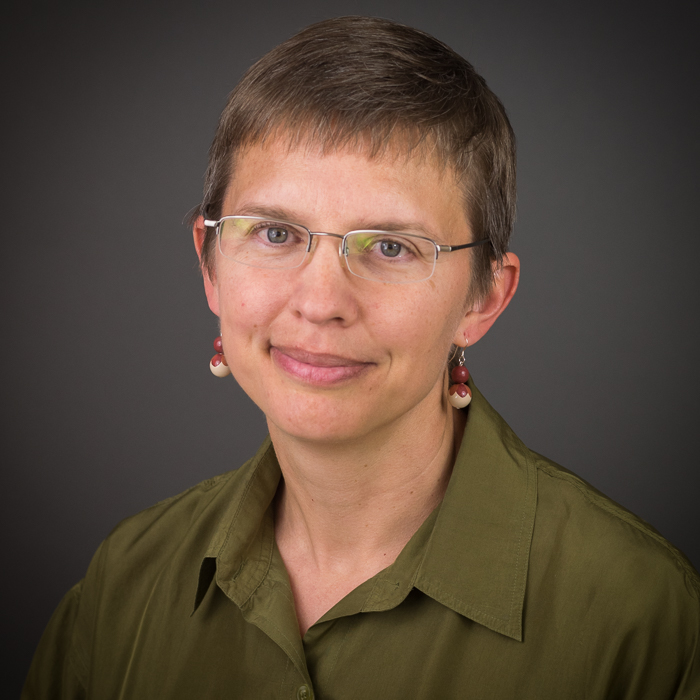
Christopher Galik serves as Professor and Interim Department Chair in the Department of Public Administration at North Carolina State University's School of Public and International Affairs. He joined the university in August 2016 as a Chancellor’s Faculty Excellence Program cluster hire in Sustainable Energy Systems and Policy (SESP), returning after a decade at Duke University’s Nicholas Institute for Environmental Policy Solutions.
Education:
- B.A. Biology from Vassar College (1999)
- Master of Environmental Management in Resource Economics and Policy from Duke University (2002)
- Ph.D. in Forestry and Environmental Resources from North Carolina State University (2014)
Galik's research operates at the intersection of public policy, economics, and technology, with core emphases on energy and environmental governance and institutional stability. His interdisciplinary approach leverages institutional theory, economics, and natural sciences to address complex sustainability challenges, particularly examining how historical industrial transitions shape contemporary local sustainability planning and the role of voluntary actions in climate change mitigation. Recent work investigates institutional portability across governance systems and forest market responses to energy policies.
His publication portfolio reveals strong trends in climate policy innovation, sustainability metrics for higher education, and forest carbon accounting methodologies. Articles consistently bridge theoretical governance frameworks with practical energy/environmental applications, frequently analyzing policy design implications across federal, state, and local contexts while emphasizing historical influences on current sustainability efforts.
No scientific awards were documented in the provided materials.
Galik maintains active collaboration with diverse stakeholders including private sector entities, NGOs, academic institutions, state governments, and federal agencies. He has organized numerous panels, workshops, and symposia addressing energy and environmental policy challenges, though specific advising relationships or grant details remain unlisted in the source text.
As a core member of NC State's Sustainable Energy Systems and Policy cluster, he contributes to interdisciplinary initiatives connecting energy technology development with policy implementation frameworks, building on his prior work at Duke University's Nicholas Institute.