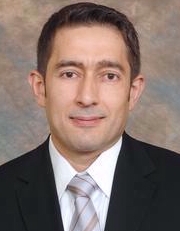
Christine Kusminski
دانشیار · Obesity Research
University of Texas Southwestern Medical Centerمعرفی
Christine Kusminski, Ph.D., is an Associate Professor in the Department of Internal Medicine and the Touchstone Diabetes Center at UT Southwestern Medical Center. She holds a bachelor's degree in biochemistry from the University of Cardiff and a doctoral degree in biomedical sciences from the University of Warwick. Her research focuses on obesity, type 2 diabetes, and adipose tissue function, particularly mechanisms linking mitochondrial dysfunction and metabolic health. She developed novel genetic tools, including a mouse model demonstrating metabolically healthy obesity via mitoNEET modulation. Her current work explores multi-receptor agonist drugs targeting incretin receptors, revealing adipose-specific GIPR activation improves metabolic health and drives weight loss. Her lab’s findings highlight adipocyte GIPR as a therapeutic target for obesity treatment.
Education
- Bachelor's in Biochemistry, University of Cardiff (honors)
- Doctoral Degree in Biomedical Sciences, University of Warwick
Research Interests
Dr. Kusminski investigates adipose tissue biology, mitochondrial dysfunction in obesity, and the metabolic effects of incretin receptor agonists. Her work integrates genetic models, preclinical studies, and mechanistic insights to understand how adipocyte signaling pathways influence energy balance and therapeutic outcomes for metabolic diseases. Key areas include:
- Mechanisms of metabolically healthy obesity
- Role of GIPR/GLP-1R co-agonists in energy expenditure
- Ca²⁺ cycling and thermogenesis in white adipocytes
- Metabolic memory effects in obesity treatment
Achievements
Her lab pioneered adipose-specific GIPR induction models, demonstrating sustained weight loss and energy-wasting pathways. These findings inform novel therapeutic strategies for obesity and T2D.
Labs & Teams
Dr. Kusminski leads research within the Philipp E. Scherer Laboratory at UT Southwestern’s Touchstone Diabetes Center, collaborating on translational studies to bridge basic science and clinical applications in metabolic medicine.