معرفی
Chris Weisener is a Professor at the Great Lakes Institute for Environmental Research (GLIER) within the School of the Environment at the University of Windsor. He holds the role of Coordinator for the Advanced Microscopy and Materials Characterization Facility. His research focuses on geomicrobiology, redox chemistry, and microbial ecology in terrestrial and aquatic systems, with particular emphasis on metal and nutrient cycling in the Great Lakes basin. He has held academic positions since 2005, progressing from Assistant to Associate Professor before attaining his current rank in 2018. Dr. Weisener earned his Ph.D. in Applied Science from the University of South Australia (2003) and a B.Sc. in Earth Science from the University of Western Ontario (1998).
His research investigates microbial influences on contaminant transport, environmental tracers for assessing ecosystem health, and the interplay between microbial activity and ecological stressors. Key areas include nutrient cycling in agricultural and urban watersheds, microcystin degradation in Lake Erie, and sediment oxygen demand in oil sands tailings. He has pioneered studies on passive treatment of acid mine drainage using mussel shells and developed novel techniques like combined DNA/RNA amplicon sequencing for microbial community analysis.
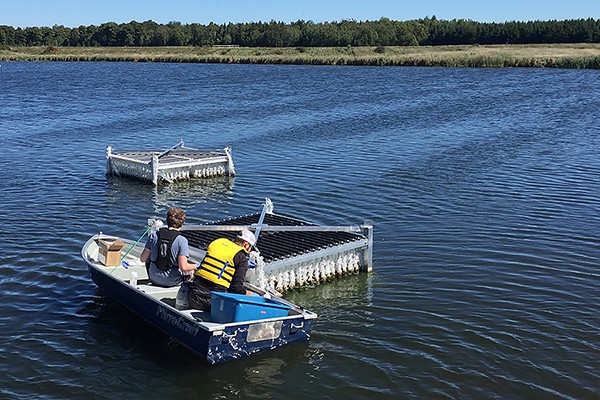
Dr. Weisener leads the Weisener Lab, which explores microbial drivers of nutrient cycling in climate change contexts, bioremediation strategies for contaminated environments, and applications of cutting-edge genomic tools. Current projects include microbial responses to environmental shifts in agriculture systems and microbial community shifts across contaminated landscapes.
His work integrates biogeochemical, molecular, and field-based approaches to address environmental challenges. Graduate and postdoctoral positions are available in his lab, focusing on geomicrobiology, sediment dynamics, and microbial ecology.