معرفی
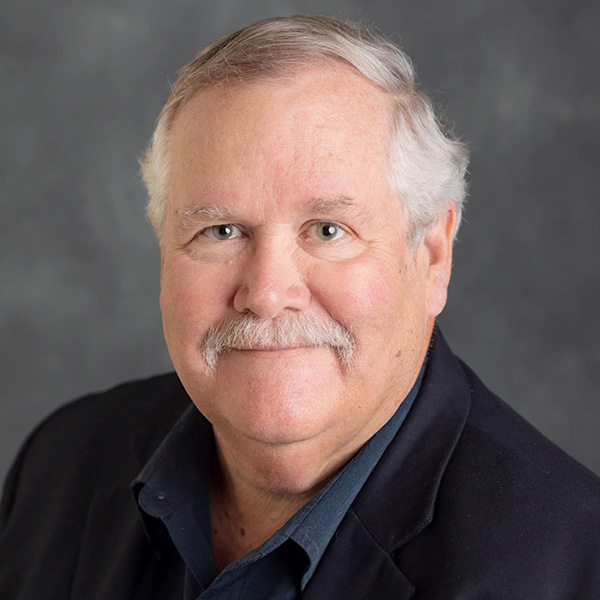
Chris Cox is a Professor in the Department of Civil and Environmental Engineering at the University of Tennessee, Knoxville, within the Tickle College of Engineering. He has been a faculty member since 1991 and also holds an adjunct professorship in the Department of Chemical and Biomolecular Engineering. He previously served as Associate Department Head (2008–2015) and Director of the Institute for a Secure and Sustainable Environment (2011–2015).
Education:
- PhD in Environmental Engineering, The Pennsylvania State University, 1992
- MS in Environmental Engineering, University of Missouri, Columbia, 1984
- BS in Chemical Engineering, University of Missouri, Columbia, 1983
Dr. Cox's research focuses on computational and mathematical modeling of biological and environmental systems. His work spans bioenergy production, gene expression dynamics, and pollution remediation technologies. He applies systems biology approaches to understand microbial metabolism, transcriptional regulation, and process variability in engineered systems such as activated sludge plants and anaerobic digesters.
His recent publications reveal a strong trend in integrating transcriptomics, kinetic modeling, and noise analysis to study microbial responses in biofuel-producing strains like Clostridium thermocellum. His work bridges environmental engineering with molecular biology, emphasizing robustness, efficiency, and system-level understanding of cellular processes under stress.
Scientific Awards:
- Allen and Hoshall Faculty Award
- College of Engineering Research Fellow Award
- Chancellor’s Teaching Award
- College of Engineering Outstanding Advising Award
Dr. Cox has actively advised graduate students and led research initiatives in environmental biotechnology. He has contributed to curriculum development as Chair of the Department Curriculum and Assessment Committees. His grants likely support work in bioenergy, environmental modeling, and sustainable remediation, though specific grants are not listed. He is also the Faculty Advisor for Chi Epsilon.
His research integrates experimental data with computational models, often in collaboration with microbiologists and systems biologists. While no formal lab name is mentioned, his work appears centered on the intersection of environmental engineering and synthetic/systems biology, particularly in the context of sustainable bioenergy and pollution control.