معرفی
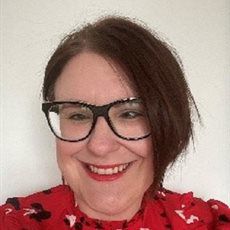
Chloe Burke is a Research Fellow at the Centre for 21st Century Public Health, University of Bath. Her research focuses on the complex relationships between substance use (particularly tobacco and cannabis) and mental health outcomes, employing sophisticated epidemiological methods to address questions of causality.
Dr. Burke completed her PhD titled Cannabis, Tobacco and Mental Health: Isolating Their Relationship Through Triangulation of Evidence in June 2025 under the supervision of Freeman, T., Matthews, G., Wootton, R., and Sallis, H. at the University of Bath. Her doctoral work established her expertise in using triangulation methods to disentangle the complex relationships between different substances and psychiatric outcomes.
Her research expertise spans mental health epidemiology, substance use disorders, and public health interventions. She specializes in Mendelian randomization techniques to investigate causal pathways between nicotine/tobacco use, cannabis use, and mental health conditions. Her work contributes significantly to UN Sustainable Development Goal 3 (Good Health and Well-being), particularly through research on reducing substance-related harm and improving mental health outcomes.
Analysis of Dr. Burke's publication record reveals a consistent focus on methodological rigor in addressing complex questions in psychiatric epidemiology. Her research employs advanced techniques including multivariable Mendelian randomization to separate the effects of nicotine from other tobacco constituents, systematic reviews and meta-analyses to synthesize evidence on substance use and mental health, and experimental designs to test interventions. A notable pattern is her work examining how mental health warnings might differentially impact individuals with pre-existing mental health conditions.
Dr. Burke was actively involved in the project Cannabis, Tobacco and Psychiatric Disease: Isolating Their Relationship Through Triangulation of Cross-Country Data (2020-2023), funded by the Society for the Study of Addiction, where she served as a Researcher under Principal Investigator Taylor, G. This project established the foundation for much of her subsequent work on disentangling causal relationships in substance use research.
Her collaborative network is extensive, with frequent co-authorship with Freeman, T.P., Taylor, G., Sallis, H., and Wootton, R.E. across multiple publications. This suggests she works within a well-established research group focused on substance use and mental health at the University of Bath.