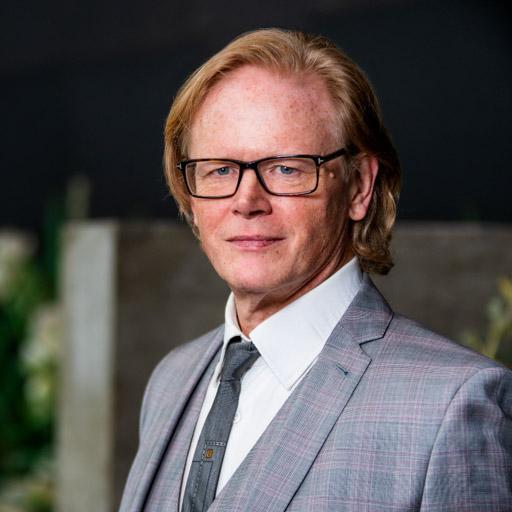
معرفی
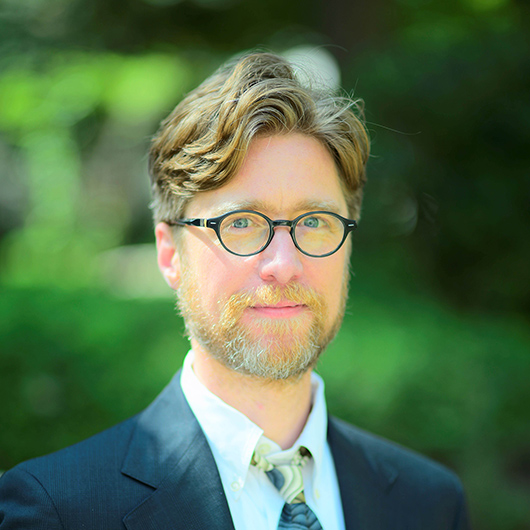
Charles R. Acland is a Distinguished University Research Professor in the Department of Communication Studies at Concordia University. His work spans media and cultural theory, film history, and digital humanities, focusing on the intersections of media industries, technologies, and cultural practices. Acland actively contributes to academic discourse through publications, collaborative projects, and editorial work.
- BA, Commerce (Economics and Marketing), Carleton University
- Graduate Diploma, Communication Studies, Concordia University
- PhD, Institute of Communications Research (Cultural Studies), University of Illinois at Champaign-Urbana
- Postdoctoral Scholar, Concordia University
Acland’s research examines media history, audiovisual technologies, and their cultural implications. He explores the legacy of educational and industrial films, the evolution of media industries, and the socio-cultural impact of technological shifts in cinema. His work often bridges historical analysis with contemporary media challenges, such as digital infrastructure and pandemic-era media practices.
His publications reveal a focus on blockbuster cinema, media archaeology, and the materiality of film technology. Notable works include analyses of Hollywood’s technological culture, subliminal influence in media, and the historical role of educational cinema. Acland’s scholarship frequently intersects with digital humanities, exemplified by his co-founding of Project Arclight, a media history research tool.
Scientific Awards:
- Outstanding Academic Title (Film Studies), Choice (2020)
- Honorable Mention, SCMS Best Edited Book (2013)
- Kraszna-Krausz Best Moving Image Book Award Finalist (2012)
- Robinson Book Prize for Best Canadian Communication Scholar Book (2004)
- Kovacs Prize for Best Essay (SCMS, 2010)
- SCMS Best Edited Book Award for Signal Traffic (2016)
- SCMS Best Edited Book Award for Learning with the Lights Off (2012)
Acland has secured significant research grants for projects like the Canadian Educational Sponsored and Industrial Film Project (2010) and Project Arclight (2014), reflecting his commitment to digitizing media history resources. He collaborates with scholars such as Eric Hoyt and Haidee Wasson, contributing to interdisciplinary research in cinema and media studies.