معرفی
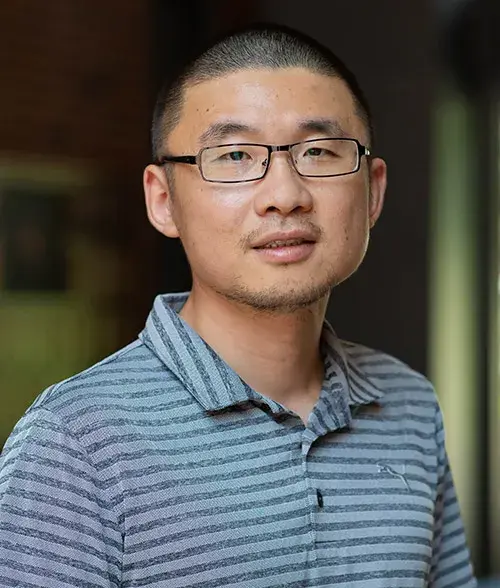
Charles Q. Jia is a Professor in the Faculty of Applied Science and Engineering at the University of Toronto, serving as Associate Chair for Continuing Professional Development and Interim Associate Chair for Graduate Studies. He leads the Green Technology Laboratory as Principal Investigator, focusing on sustainable material innovation.
His academic credentials include a B.Eng. and M.Eng. from Chongqing University and a Ph.D. from McMaster University, complemented by Professional Engineer (P.Eng.) licensure through Professional Engineers of Ontario.
Professor Jia's research centers on developing nanoporous carbon materials from biomass and industrial waste for environmental and energy applications. His work spans air/water purification, capacitive energy storage, and waste valorization, with recent emphasis on structure-property relationships in biochar monoliths and carbon nanotubes. The Green Technology Laboratory pioneers negative emission technologies, creating functional materials for solar-driven desalination and renewable energy storage systems.
His publication record reveals consistent innovation in sustainable materials, with recurring themes in mercury removal mechanisms, supercapacitor electrode design, and aerosol pollution modeling. Key trends include transitioning from fundamental carbon characterization (2010-2015) toward integrated device development (2016-2021), particularly in monolithic biochar applications.
Major recognitions include:
- Fellow, Canadian Academy of Engineering (CAE)
- Fellow, Chemical Institute of Canada (CIC)
As Principal Investigator, he directs multidisciplinary research teams in securing grants for carbon material synthesis and environmental impact studies. His mentorship focuses on graduate student training in sustainable engineering, though specific advisee names aren't publicly listed. Current projects emphasize industrial waste valorization and climate-responsive material design.
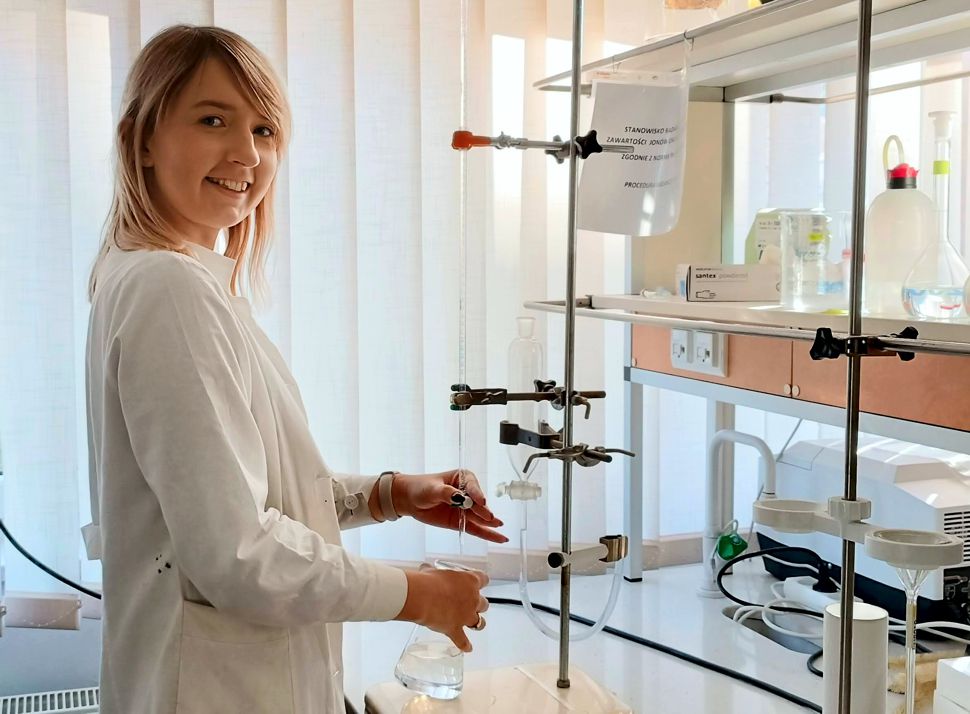
The Green Technology Laboratory operates as a hub for experimental carbon engineering, featuring pyrolysis reactors, electrochemical test benches, and pollutant characterization tools. Ongoing work integrates machine learning with material science to optimize carbon structures for specific environmental applications.