معرفی
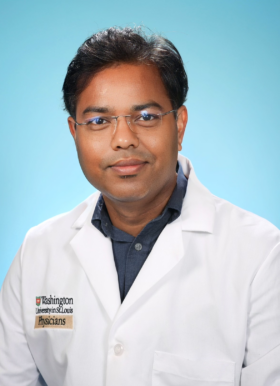
Chanchal Sur Chowdhury serves as an Instructor in the Department of Pathology and Immunology at Washington University in St. Louis School of Medicine, where his research bridges fundamental immunology with clinical applications in infectious and inflammatory diseases.
Education:
- PhD in Cell Biology, University of Basel, Switzerland (February 2010 – April 2014)
- PhD Exchange Research, Boston Children’s Hospital, MA (June 2013 – November 2013)
- MSc in Applied Microbiology, Periyar University, India (May 2007 – June 2009)
- BSc in Microbiology, Genetics, Chemistry, Osmania University, India (June 2004 – July 2007)
Dr. Chowdhury specializes in dissecting immune cell mechanisms during infectious diseases, with groundbreaking work on Neutrophil Extracellular Traps (NETs) in tuberculosis pathogenesis. His research program investigates cell death pathways—including NETosis—and their dual roles in disease progression and resolution, particularly focusing on how these processes reshape the immune landscape during Mycobacterium tuberculosis infection. Current projects explore therapeutic applications of NETosis inhibitors and fundamental cell clearance mechanisms in immune therapy contexts.
Dr. Chowdhury collaborates extensively with Professor Christina Stallings’ laboratory on tuberculosis research initiatives, directing investigations into autophagy pathways and type I interferon responses. His team develops translational approaches to modulate immune cell death for therapeutic benefit, aiming to enhance existing tuberculosis treatments through novel adjunctive therapies targeting host immune responses.
Within the Department of Pathology and Immunology, Dr. Chowdhury leads a dedicated research group examining the intersection of cancer immunology and infectious disease mechanisms. The team employs advanced cellular and molecular techniques to characterize how cell death pathways influence therapeutic outcomes, with particular emphasis on granuloma formation and caseation in tuberculosis models.