معرفی
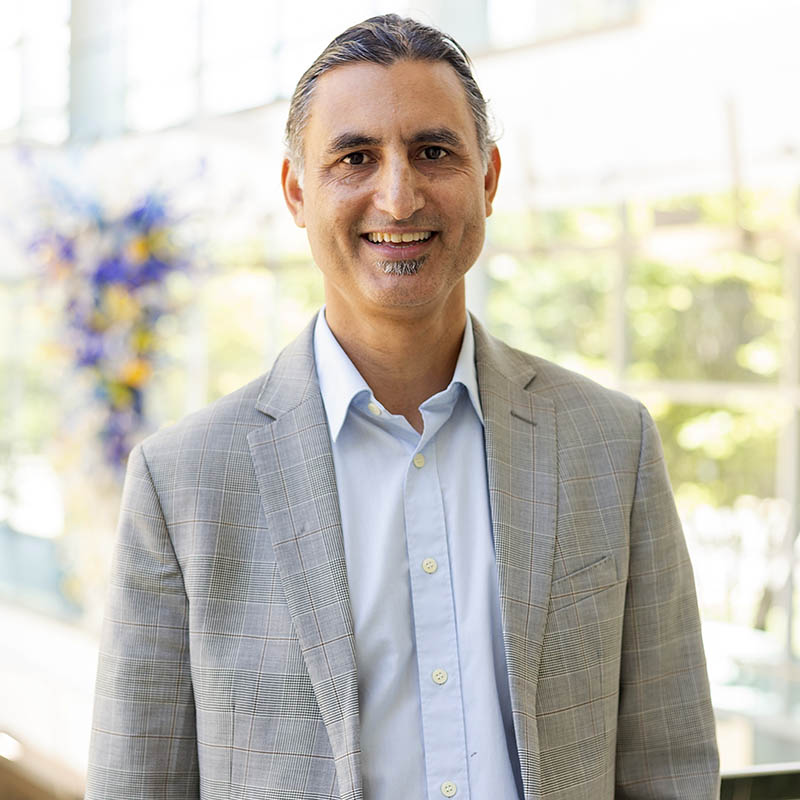
Célestin Monga is an Adjunct Professor of Public Policy at the Harvard Kennedy School, where he focuses on economics-related policy issues. He also serves as a Faculty Associate at the Center for International Development (CID) and a Fellow at the Harvard University Center for African Studies. Additionally, Monga holds appointments as a part-time Professor of Economics at the University of Paris 1 Panthéon-Sorbonne and a Research Professor at Peking University’s Institute of New Structural Economics. His career spans academia, international development, and senior executive roles, including Managing Director at the United Nations Industrial Development Organization (UNIDO) and Vice-President and Chief Economist of the African Development Bank Group.
- Adjunct Professor of Public Policy, Harvard Kennedy School
- Faculty Associate, Center for International Development (CID), Harvard University
- Fellow, Harvard University Center for African Studies
- Part-time Professor of Economics, University of Paris 1 Panthéon-Sorbonne
- Research Professor, Peking University’s Institute of New Structural Economics
Monga’s research centers on economic and political development, with a focus on structural transformation in developing countries and African economies. His work bridges theoretical analysis and practical policy solutions, particularly in addressing challenges related to industrialization, economic growth, and governance. His publications include influential books that explore these themes through multidisciplinary lenses, often integrating economics, history, and political science.
Monga’s academic contributions are reflected in his editorial work and co-authorship of major handbooks, including The Oxford Handbook of Structural Transformation (2019) and The Oxford Handbook of Africa and Economics (2015). These publications highlight his expertise in structural economic shifts and development strategies. His earlier career in international organizations, such as the World Bank and African Development Bank, informs his applied research approach.
- Graduate degree, Massachusetts Institute of Technology (MIT)
- Graduate degree, Harvard University
- Graduate degree, University of Paris
- Graduate degree, University of Pau