معرفی
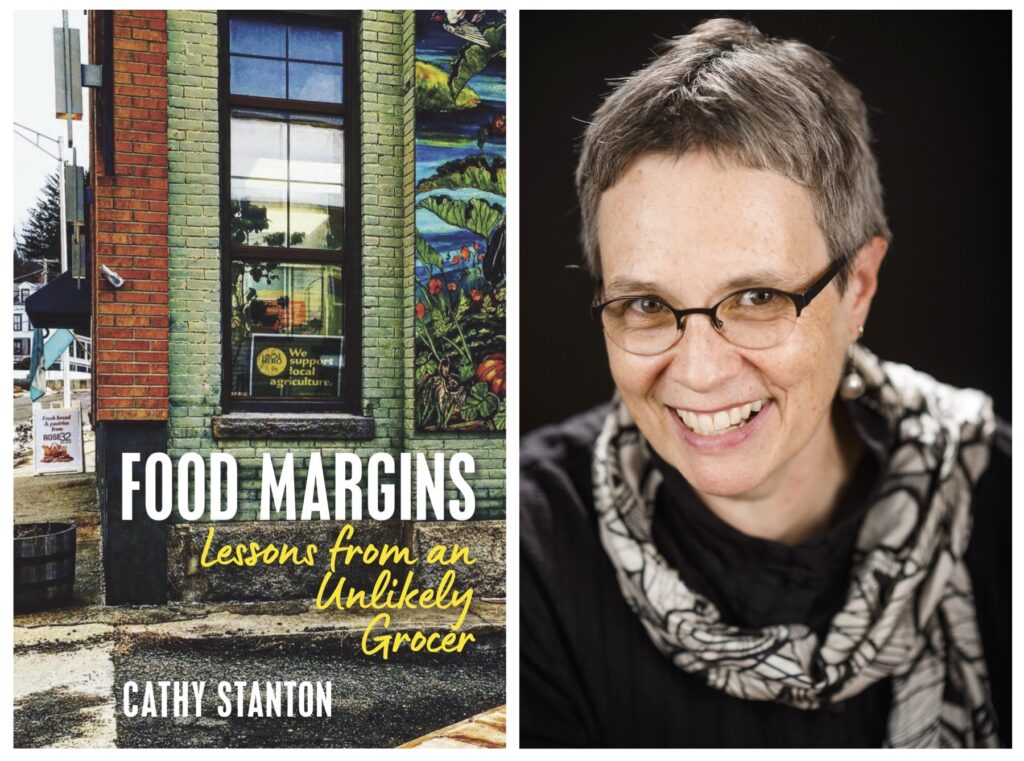
Cathy Stanton is a Teaching Professor in both the Anthropology Department and the Urban & Environmental Policy & Planning Department at Tufts University. With expertise spanning cultural anthropology, public humanities, and food systems, she teaches courses on food, cities, myth and ritual, and ethnographic methods, often incorporating community-based projects with partners like the Boston Public Market, Tufts Dining, and the City of Somerville.
Her educational background includes a PhD in Interdisciplinary Doctorate Program (Cultural Anthropology/US History/Museum and Heritage Studies) from Tufts University (2004), an MA from Norwich University (1997), and a BA from Norwich University (1994). As a 'late-blooming scholar' and 'naturalized American,' her academic journey began with myth and ritual studies, evolved through Civil War reenactment research, and ultimately led to examining heritage businesses within the postindustrial economy.
Stanton's research focuses on the intersections of food systems, heritage, and community development. Her work initially examined historical and heritage applications in redevelopment projects, particularly in former industrial settings. Since 2010, she has increasingly focused on food systems issues, moving from theoretical perspectives to active participation in the grocery sector. She explores how historic sites intersect with contemporary food systems and advocates for less energy-intensive societal models.
- National Council on Public History Book Award for 'The Lowell Experiment'
- Consultant to U.S. National Park Service's Ethnography Program for over 15 years
- Author of three major books spanning heritage and food systems
As both an academic and practitioner, Stanton co-owns and operates a small grocery store in Orange, Massachusetts. This hands-on experience informs her scholarly work and public writing where she challenges conventional wisdom about food pricing, sustainability, and consumer behavior, arguing that 'food in America is too cheap' and that our relationship with food has become overly focused on price points rather than broader values.