معرفی
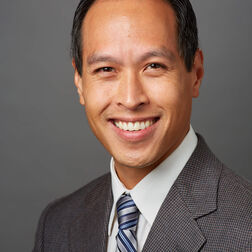
Catherine Bingchan Xie, M.D., Ph.D., is a physician-scientist at Yale School of Medicine, specializing in immunology and translational medicine. She holds appointments in the Department of Immunobiology within the Yale School of Medicine. Her research focuses on understanding immune and inflammatory mechanisms in dermatological diseases, transplant rejection, and complement-mediated pathologies. Dr. Xie earned her M.D. from Yale School of Medicine (2022), Ph.D. in Immunobiology from Yale (2020), M.Phil. from the University of Cambridge as a Gates Scholar (2014), and B.S. in Bioengineering from Caltech (2013).
Her educational background includes early research in protein engineering (Dr. Frances Arnold’s lab), immunology at Stanford (Dr. Garry Fathman), and leukemia studies under Dr. David Baltimore. Her graduate work with Dr. Jordan Pober explored alloantibody and complement-mediated endothelial activation in transplant rejection. She has also contributed to bioprinting vascularized skin grafts and CRISPR-engineered endothelial cells to evade immune rejection.
Research Interests:
- Transplant immunology and alloimmunity
- Complement pathway activation and therapeutic targets
- Endothelial cell signaling in inflammation
- Bioprinting and regenerative medicine
- Immune mechanisms in dermatological diseases
Publications (selected): Dr. Xie’s work spans immunology, cell biology, and translational research. Her articles analyze complement-mediated inflammation, T-cell activation, and bioprinting innovations.
Awards: Recognized with the Yale MD-PhD Graduation Prize (2022), FOCIS Trainee Award (2018), and Gates Cambridge Scholarship (2013). Her research has been funded by NIH/NIAID grants.
Advising & Grants: Mentored by Dr. Jordan Pober and Dr. David Baltimore. Collaborates with teams at Yale (e.g., Dr. Francesc Lopez-Giraldez) and contributes to interdisciplinary projects linking immunology, engineering, and AI.
Labs & Teams: Active in Dr. Pober’s lab, focusing on endothelial immunobiology. Involved in bioprinting collaborations with Prof. Saltzman’s bioengineering team.