معرفی
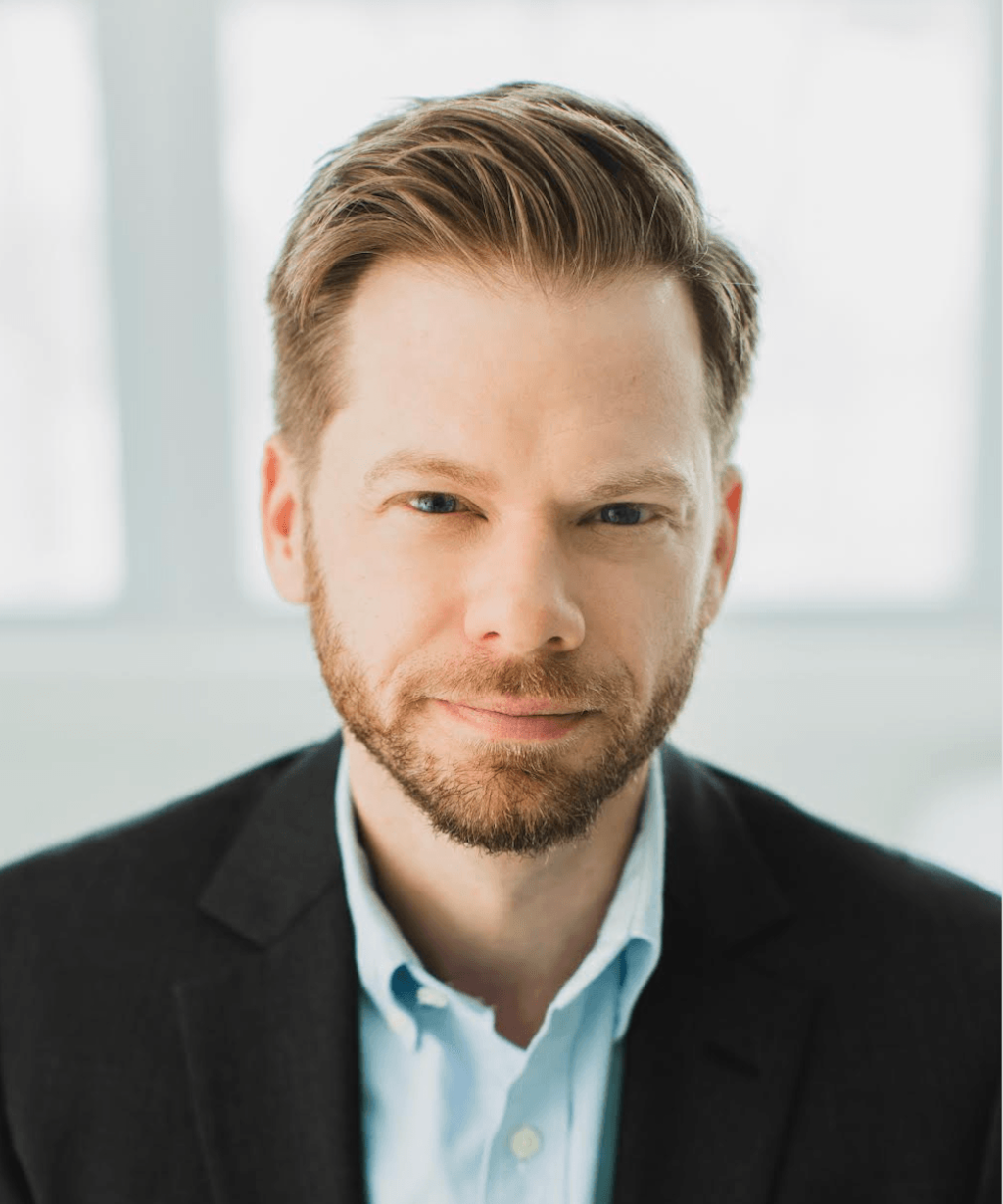
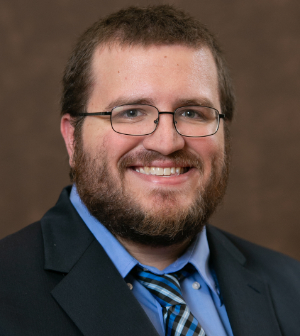
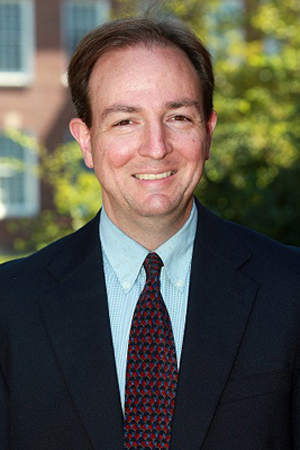
Carson Holloway is a Professor and Department Chair in the Department of Political Science at the University of Nebraska Omaha (UNO), within the College of Arts and Sciences. He has been a faculty member since 2002 and holds a Ph.D. in Political Science from Northern Illinois University (1998).
Educational Background:
- B.A. in Political Science, University of Northern Iowa, 1991
- Ph.D. in Political Science, Northern Illinois University, 1998
Dr. Holloway's research focuses on political philosophy and American political thought, particularly the Founding Era, constitutional law, and the relationship between religion and public life. His work explores the moral and philosophical foundations of liberal democracy, with special attention to figures such as Alexander Hamilton and John Paul II. He has published extensively on civil liberties, federalism, and the role of virtue in governance.
His scholarly publications include books and edited volumes on Hamilton, Jefferson, political magnanimity, and the intersection of faith and civic order. The themes across his recent works reflect a sustained engagement with constitutional interpretation, moral philosophy, and cultural politics, demonstrating a multidisciplinary approach grounded in political theory.
Scientific Awards and Recognitions:
- College of Arts and Sciences Excellence in Teaching Award, 2013
- College of Arts and Sciences Research and Creative Activity Award, 2017
- Ralph Wardle Diamond Professor, 2018–2021
Dr. Holloway has held prestigious visiting fellowships at Princeton University’s James Madison Program and the Heritage Foundation, reflecting national recognition of his scholarship. As Department Chair and instructor of graduate seminars, he plays a key role in academic leadership and likely advises students, though no specific advisees are listed. He has not received external grant mentions in the text, but his book publications and fellowships indicate sustained research support. He teaches core courses in political theory and constitutional law, contributing significantly to both undergraduate and graduate education.
While no formal lab or research team is mentioned, his editorial projects and collaborative works suggest active scholarly networks in American political thought and political philosophy.