معرفی
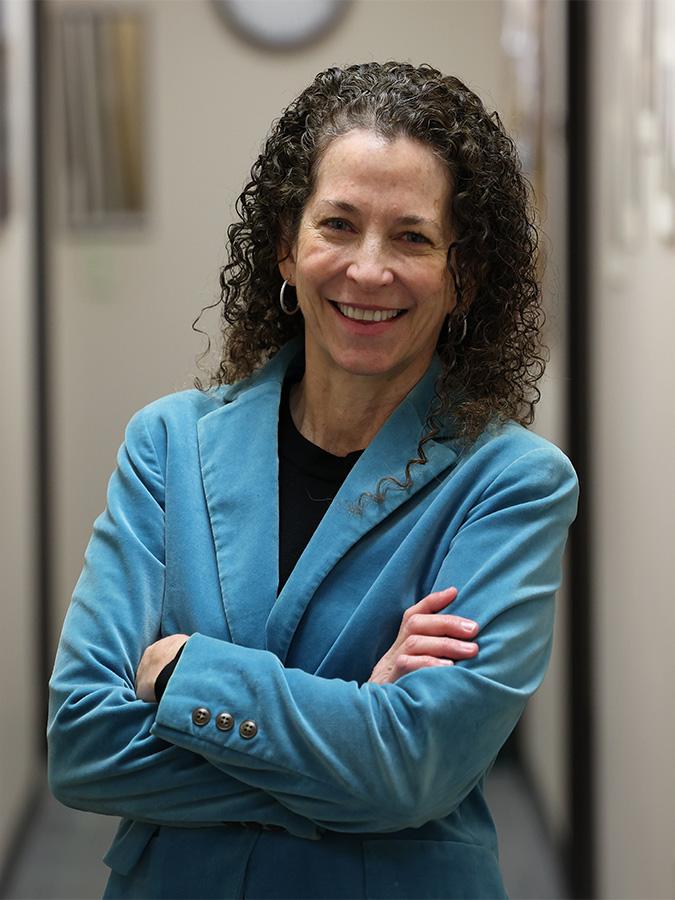
Dr. Candi K. Cann serves as Associate Professor of Religion in the Honors College at Baylor University and Director of the Baylor Interdisciplinary Core (BIC) program in Korea. She teaches courses including World Cultures, Social World, World Religions, Buddhism, Christian Heritage, and Death and Dying, while also advising Baylor's Hawai'i Club. Her academic journey includes a Ph.D. in Comparative Religion from Harvard University, an M.A. in Asian Religions from the University of Hawai'i at Manoa, and a B.A. in Asian Studies and English from St. Andrews in North Carolina.
Dr. Cann's research centers on death and dying, specifically examining how remembering (and forgetting) shapes how lives are recalled, remembered, and celebrated across cultures. Her work spans digital memorialization practices, food rituals in death contexts, religious perspectives on death, and the commodification of grief. She approaches death studies through interdisciplinary lenses, connecting religious studies with anthropology, sociology, and digital humanities.
Her scholarly output reveals consistent exploration of contemporary memorial practices, with increasing attention to digital technologies' role in reshaping death culture. Her publications show a trajectory from examining physical memorialization practices to digital and technological interventions in grief processes, while maintaining focus on cross-cultural comparisons and religious frameworks. The recurring themes across her work include the tension between traditional and emerging memorial practices, the commercialization of death rituals, and the intersection of technology with deeply personal experiences of loss.
- Fulbright Scholar at Han Nam University, South Korea (2023)
- Fellow at the Center for the Study of World Religions at Harvard University
Dr. Cann chairs the Death, Dying, and Beyond committee for the American Academy of Religion and maintains an active research agenda, currently working on a book about the intersection of death, disability, and technology with MIT. Her work bridges academic scholarship with public engagement through platforms like Patheos and Huffington Post, where she has published articles on contemporary death issues. While specific grant details are limited in the provided text, her Fulbright award and institutional affiliations suggest significant research support for her international comparative work on death practices.