معرفی
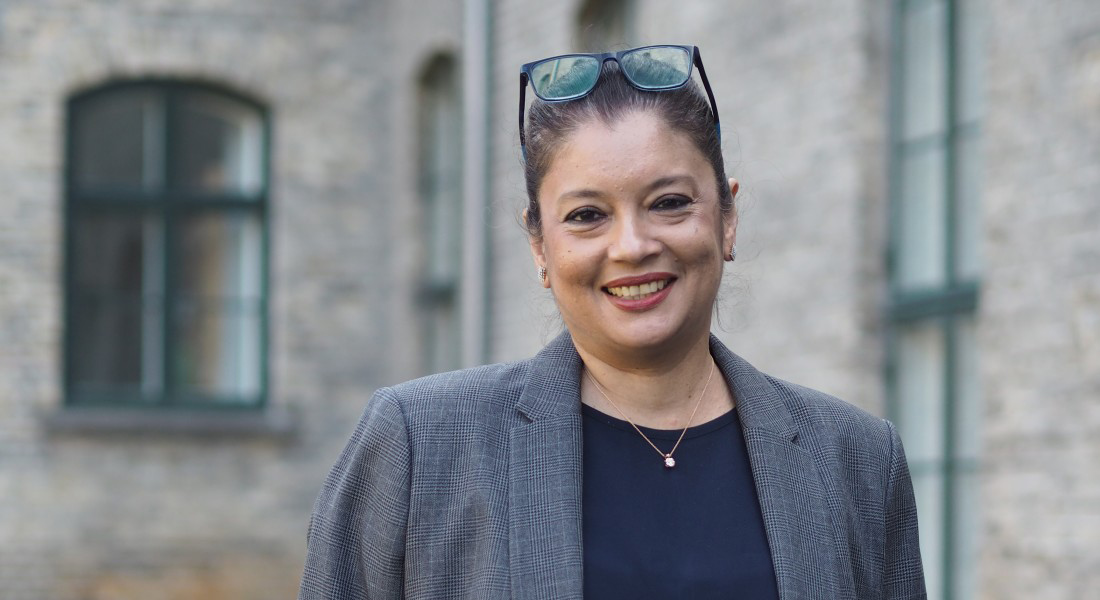
Camilla Ida Ravnbøl serves as a Guest Researcher at the Department of Anthropology within the Faculty of Social Sciences at the University of Copenhagen and holds a concurrent position as Special Consultant at Zealand University Hospital. Her scholarly focus examines marginalized communities, particularly Roma migrants navigating urban poverty, cashless transitions, and transnational debt systems across Denmark, Poland, and Romania.
Her academic credentials include a PhD in Anthropology (2018), an MA in Anthropology, and a European Master's Degree in Human Rights and Democratization. These qualifications underpin her interdisciplinary methodology combining legal anthropology with migration studies.
Ravnbøl's research program demonstrates exceptional thematic coherence across regional contexts. She investigates how cashless initiatives disrupt traditional debt economies among unbanked Roma households, building on her doctoral ethnography of bottle-collecting Roma in Copenhagen. Her work critically analyzes EU citizenship frameworks, gendered migration experiences, and informal economic strategies within homeless populations, consistently highlighting policy gaps in human rights protections.
Analysis of her 2018-2023 publications reveals methodological rigor through longitudinal ethnographic engagement with Roma communities. Her scholarship bridges economic anthropology and human rights advocacy, particularly in civil society monitoring reports for the European Commission on Roma integration policies in Denmark.
Ravnbøl leads research grant applications to the EU Interreg Programmes for medical projects at Zealand University Hospital while collaborating with Associate Professor Atreyee Sen's team on the "After money, what is debt?" project. Her media contributions, including the 2021 critique "Forskere: Bankerne svigter de hjemløse groft" (Researchers: Banks grossly fail the homeless), demonstrate public engagement with financial exclusion issues.
She operates within Copenhagen's interdisciplinary research ecosystem, connecting anthropology departments with hospital-based medical research teams and European human rights networks to advance understanding of cashless transitions' impacts on Europe's most vulnerable populations.