معرفی
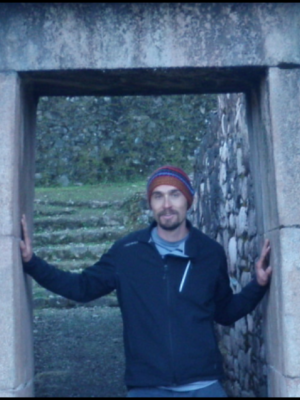
Camden Burd is an Assistant Professor in the Department of History at Clemson University, part of the College of Arts and Humanities. His research lies at the intersection of U.S. history, environmental change, and digital humanities methodologies. With a Ph.D. from the University of Rochester, he brings extensive expertise in 19th and 20th century American history, particularly in the Midwest.
Education:
- Ph.D., University of Rochester (2019)
- MA, University of Rochester (2015)
- MA, Central Michigan University (2014)
- BA, University of Utah (2011)
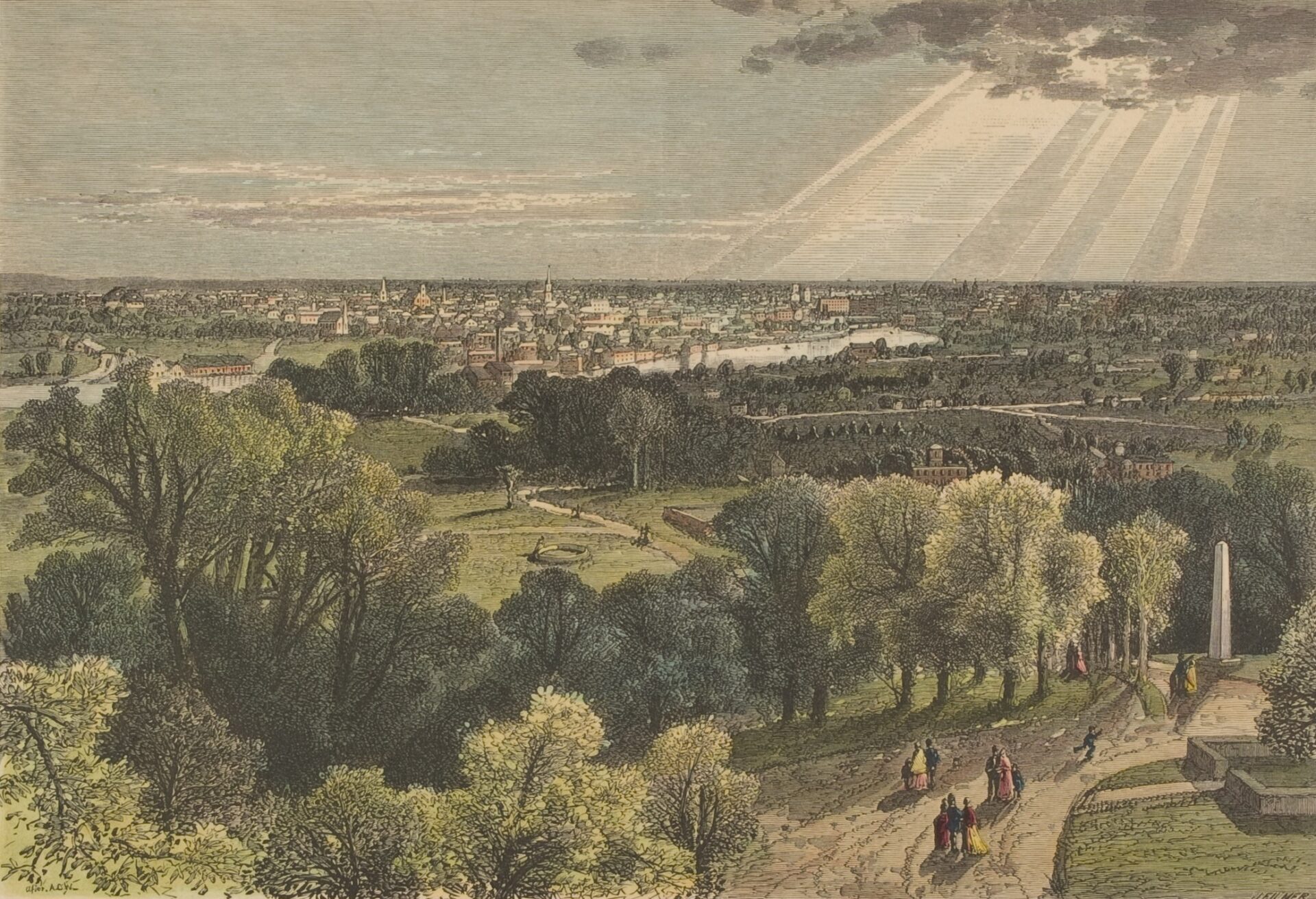
Dr. Burd's research focuses on environmental history, American capitalism, and digital methods such as GIS and TEI. He examines how horticultural networks shaped urban development and imperial expansion in the United States, particularly in Western New York. His work emphasizes the integration of digital tools into historical scholarship and pedagogy, making historical sources more accessible and analyzable.
His publications, including his 2024 book The Roots of Flower City, reflect a consistent trend toward interdisciplinary scholarship that bridges environmental history with digital innovation. Articles such as those on GIS in the classroom and digital editing demonstrate his commitment to advancing historical education through technology.
Scientific Awards and Research Support:
- Andrew W. Mellon Postdoctoral Research Fellowship, New York Botanical Garden
- Research support from the Newberry Library
- Research support from the American Antiquarian Society
- Research support from the Andrew W. Mellon Foundation
Dr. Burd has been actively involved in advising and pedagogical innovation, particularly in integrating digital humanities into undergraduate curricula. He has received external funding and fellowships to support his research. While no formal list of advisees is provided, his engagement with student-centered digital projects suggests a strong commitment to mentorship.
He is affiliated with scholarly communities focused on digital humanities and environmental history, and his work contributes to broader conversations about the role of digital tools in understanding historical environmental change. He maintains an active academic presence through his personal website and publications.