معرفی
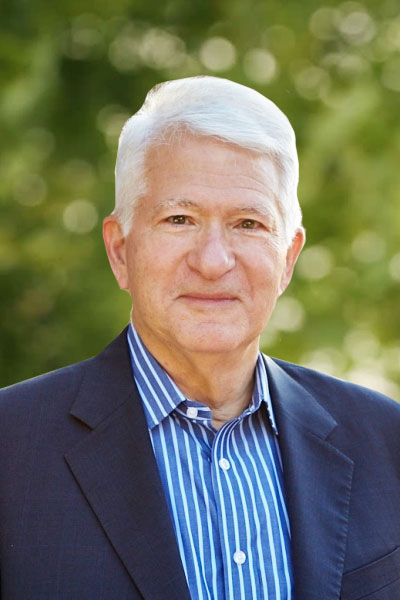
Brian J. Prendergast is a Professor in the Department of Psychology within the Division of Biological Sciences at the University of Chicago. His research focuses on the intersection of neuroscience, immunology, and endocrinology, particularly how biological rhythms regulate immune and behavioral responses.
- B.A. in Psychology, Williams College, 1993
- Ph.D. in Psychology (Biological), University of California, Berkeley, 1998
- Post-doctoral Fellow, Johns Hopkins University / Ohio State University, 1999–2003
His primary research interests include psychoneuroimmunology, behavioral neuroendocrinology, and chronobiology, with a focus on how circadian and ultradian rhythms interact with the immune system to influence behavior, mood, and neuroendocrine function. He investigates neural mechanisms underlying sickness behavior, depression, and motivational changes, particularly in the context of chronic disease and neuroinflammatory processes.
The recent publications highlight a consistent research trajectory in biological timing and its impact on immune and behavioral regulation. Themes include hormonal modulation of circadian rhythms, tumor-induced neuroinflammation and depression, and experience-independent development of circadian systems. These works span models in rodents, especially hamsters, and integrate molecular, physiological, and behavioral approaches.
Brian J. Prendergast has not been publicly listed with any scientific awards or fellowships in the provided text.
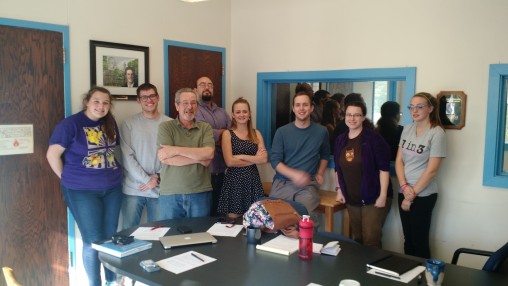
He advises graduate students in psychology and neuroscience, though specific names are not listed. His lab (BPSB 301–303) is actively engaged in research on circadian regulation and neuroimmune interactions. No current grants are mentioned, but his work likely involves funding from NIH or similar agencies given the scope and journal outlets.
His research lab, located in the BPSB building, conducts experimental studies on animal models to explore how biological clocks govern immune responses and behavioral states. The team uses neuroanatomical, molecular, and behavioral methodologies to dissect pathways linking the environment, brain, and immune system.