معرفی
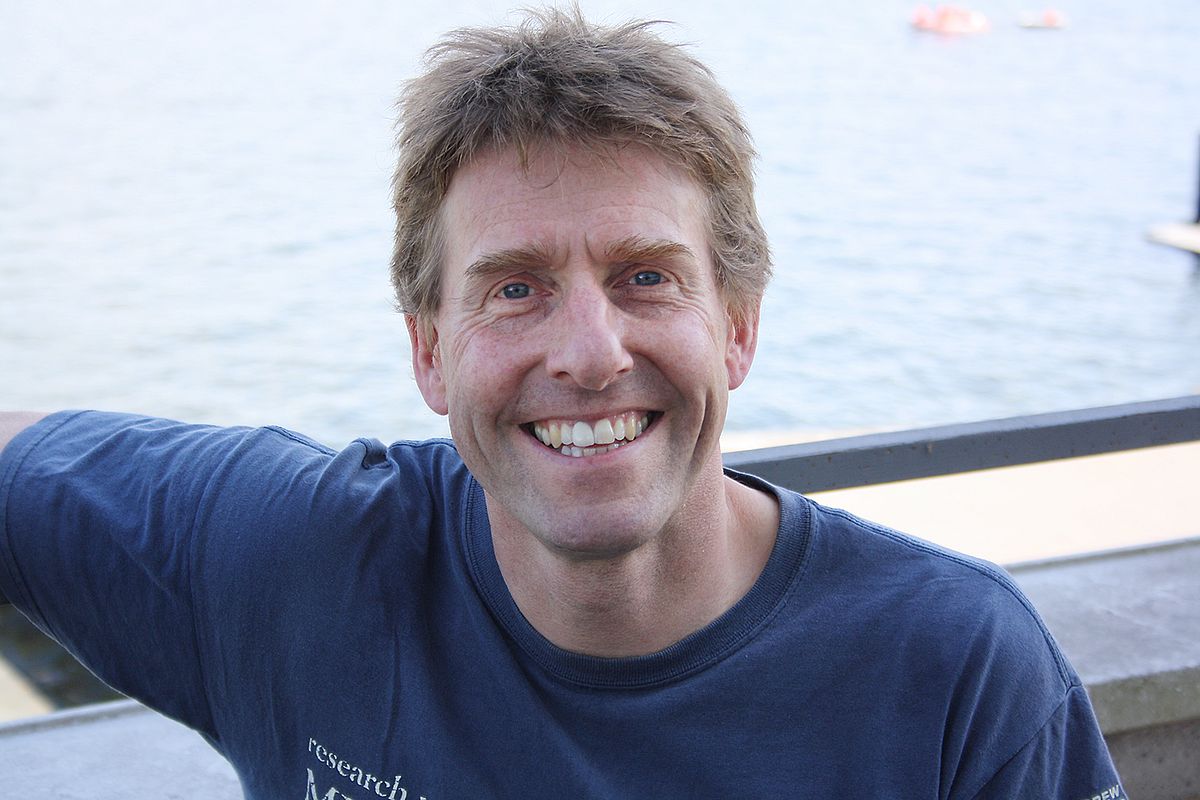
Brian Haley is a Research Professor at Oregon State University, specializing in marine geochemistry and biogeochemical cycling. His work focuses on rare earth elements (REEs), neodymium isotopes, and sediment-water interactions in oceanic systems. He leads research at the Keck Collaboratory for Plasma Spectrometry, advancing analytical methods for trace metal analysis. Haley’s research addresses critical questions about ocean circulation, paleoclimate dynamics, and the role of benthic processes in global geochemical cycles. His recent studies explore the North Atlantic’s REE sedimentary sources, abyssal seafloor impacts on trace metals, and modeling approaches to neodymium isotopes in the deep Pacific. He has received the GSA Kirk Bryan Award (2021) for contributions to understanding Pacific climate influences on global variability. His work integrates field data from GEOTRACES transects, sediment cores, and experimental diagenetic modeling, emphasizing interdisciplinary approaches to marine geochemistry.
Key research areas include chemical weathering in mountainous rivers, diagenetic controls on isotope signatures, and the interplay between ocean circulation and deglacial CO₂ rise. Haley’s studies often involve collaborative projects with international research teams, such as the Arctic GEOTRACES section and IODP expeditions. His lab develops innovative techniques for analyzing small-volume seawater samples and simulating sedimentary processes. Recent findings highlight the sedimentary flux of REEs, the role of manganese oxides in metal retention, and the impact of volcanic activity on ocean deoxygenation during ice sheet retreat.
His academic contributions span over 50 peer-reviewed articles, with a focus on high-impact journals like Earth and Planetary Science Letters and Global Biogeochemical Cycles. Haley’s research has implications for understanding past climate shifts and modern ocean health, particularly in light of anthropogenic changes.