معرفی
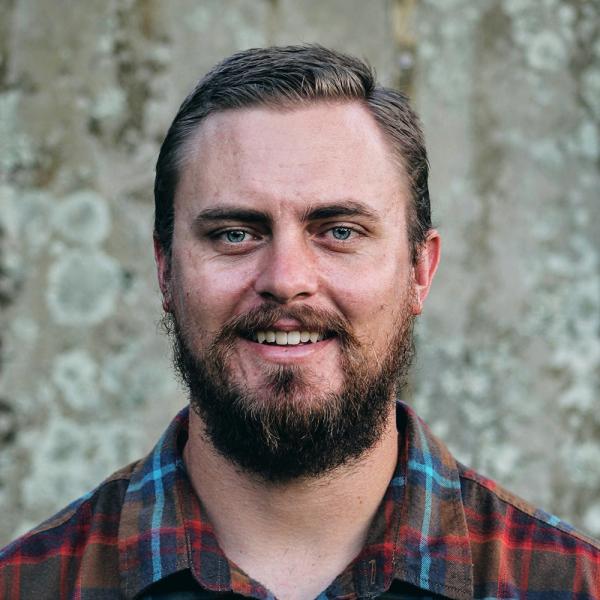
Bradley Dean is a Senior Fellow at Tulane University's Disaster Resilience Leadership Academy (DRLA) and adjunct faculty at Georgetown University’s Emergency and Disaster Management Program. He leads the DHS Science & Technology Earth Systems Science Technology Center, focusing on public safety through Earth systems science and resilience. His career spans leadership roles at FEMA and the White House Council on Environmental Quality.
Education:
- Master of Science in Environmental Science, Florida Institute of Technology
- Master of Science in Earth and Environmental Resource Management, University of South Carolina
- Bachelor of Science in Marine Science and Biology, Coastal Carolina University
Bradley's research and professional work center on disaster resilience, climate change adaptation, and equity in emergency management. He emphasizes community organizing, mental health in crises, and nature-based solutions to enhance societal resilience. His interdisciplinary approach bridges environmental science, policy, and social equity.
While no publications are listed in the provided text, his work influences national resilience policy, federal disaster response, and academic training in emergency management. He contributes to the National Academies Transportation Research Board's efforts on extreme weather adaptation.
Professional Affiliations & Recognition:
- Senior Fellow, Disaster Resilience Leadership Academy, Tulane University
- Adjunct Faculty, Emergency and Disaster Management Program, Georgetown University
- Member, Transportation Research Board Standing Committee on Extreme Weather & Climate Change Adaptation, National Academies
Bradley has held key leadership roles including Director for Flood & Resilience Policy at the White House Council on Environmental Quality and led major initiatives at FEMA such as the Resilient Nation Partnership Network and the COVID-19 Supply Chain Task Force Situational Awareness Section. He also edited the 5th National Climate Assessment. He is involved in resilience education and policy development, contributing to national strategies through research, teaching, and public service.
He leads the DHS S&T Earth Systems Science Technology Center, which aims to identify emerging risks at the intersection of human, technological, and climate systems, developing science-based solutions for public safety.