معرفی
Boris Striepen is the Mark Whittier and Lila Griswold Allam Professor of Microbiology and Immunology at the University of Pennsylvania School of Veterinary Medicine. He is affiliated with the Department of Pathobiology, Department of Microbiology, Institute for Infectious and Zoonotic Diseases, Institute for Immunology, and the Center for Global Health. His research focuses on the molecular and cellular biology of apicomplexan parasites, especially Cryptosporidium, a leading cause of childhood diarrheal mortality globally.
Dr. Striepen earned his PhD summa cum laude from the University of Bonn and conducted postdoctoral research with David Roos. He previously served as a Distinguished Research Professor at the University of Georgia before joining Penn in 2017. His lab pioneered genetic tools for Cryptosporidium, enabling transformative research into parasite metabolism, host interactions, and drug targets.
His research spans parasite biochemistry, genetic engineering, host immunity, and drug discovery. He investigates how Cryptosporidium manipulates host cells, evades immune responses, and acquires nutrients via horizontal gene transfer. His recent work includes developing natural mouse models, dissecting inflammasome responses, and collaborating with industry to advance therapeutics.
His publications reveal a strong trend in genetic manipulation, host-pathogen interactions, and translational parasitology, with recent emphasis on transcriptional control, immune evasion, and cross-species genetic studies. He has made seminal contributions to understanding apicoplast biology in Toxoplasma and Plasmodium.
Dr. Striepen has directed NIH training grants and the Biology of Parasitism course at Woods Hole. He mentors students and leads interdisciplinary collaborations. His lab is highly active in global health, particularly in addressing diarrheal disease and malnutrition in vulnerable populations.
He is engaged in education and training, having taught graduate and undergraduate courses, and directed major training programs. His lab collaborates widely with academic and industrial partners to develop drugs and vaccines against cryptosporidiosis.
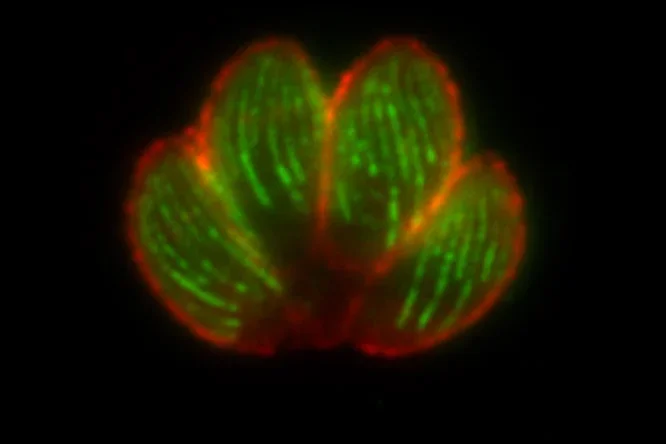
He leads a vibrant research group focused on apicomplexan parasites, with ongoing projects in Cryptosporidium and Toxoplasma, utilizing cutting-edge tools in genetics, imaging, and immunology.