معرفی
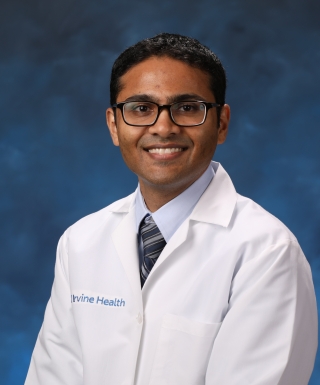
Boris Modrau serves as a Clinical Associate Professor at Aalborg University's Faculty of Health Sciences and works as a Senior Consultant at Aalborg University Hospital within the Department of Neurology and Neurophysiology. He is actively involved with the Neuroboost research group and maintains strong clinical and academic ties to the hospital-university interface in Aalborg, Denmark.
Dr. Modrau's research interests focus on critical areas of neurology including stroke pathophysiology, transient ischemic attacks (TIAs), brain ischemia, neurorehabilitation techniques, and neuroengineering applications. His work bridges clinical practice with cutting-edge research, particularly in understanding long-term outcomes following cerebrovascular events and developing innovative rehabilitation approaches. A significant portion of his recent work examines fatigue patterns following mini-strokes and the development of patient-centered interventions for TIA patients.
Analysis of his recent publications reveals a strong emphasis on large-scale cohort studies examining stroke outcomes, with particular attention to cardiac complications following mechanical thrombectomy, long-term fatigue patterns, healthcare utilization, and socioeconomic impacts of cerebrovascular events. His research increasingly incorporates neuroengineering approaches, especially brain-computer interface technologies for stroke rehabilitation.
Dr. Modrau actively supervises research projects including a PhD project focused on developing patient-centered interventions for TIA patients by exploring prognosis and impact on everyday life. He has secured significant research funding including projects from the Novo Nordisk Foundation and has been involved in major collaborative research initiatives such as the Bevica Center for NeuroEngineering Solutions in Stroke Rehabilitation.
He is an active member of the Center for Neurotechnology and Rehabilitation (CNR), participating in their organizational structure since 2021 and contributing to both spring and autumn seminars in 2025. His research has garnered substantial media attention, particularly regarding findings about long-term fatigue following transient ischemic attacks, which was covered by over 80 news outlets in May 2025.