معرفی
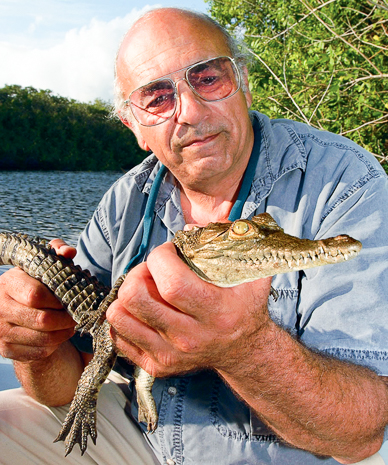
Bob McCleery is a Professor in the Wildlife Ecology and Conservation Department at the University of Florida. He maintains an active research laboratory focused on mammalian conservation, global change ecology, and endangered species management. His work provides regional and international leadership in wildlife conservation with field sites in Florida and Swaziland.
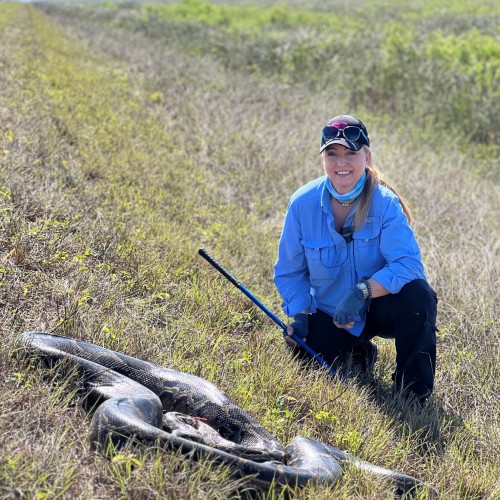
McCleery's research interests span mammalian conservation, invasive species ecology, endangered species management, and global change ecology. His lab conducts field research on topics including invasive Burmese pythons in the Everglades, endangered rodent conservation, and the impacts of sea-level rise on coastal ecosystems. The lab emphasizes hands-on field research and has been recognized as one of the top 10 most awesome college labs of 2013 by Popular Science.
His recent publications demonstrate a strong focus on conservation challenges, particularly regarding invasive species impacts on native wildlife. The research shows consistent themes in understanding predator-prey dynamics, species adaptation to environmental changes, and developing effective conservation strategies for threatened species. McCleery's work frequently bridges ecological research with practical conservation applications.
- One of the top 10 most awesome college labs of 2013 by Popular Science
McCleery actively mentors graduate students, with recent lab members including Alex, Maggie, Rebecca, Storm, Coral, Jose, and Bryce. His lab has secured research funding for projects on invasive species, endangered mammals, and international conservation efforts. He leads a popular study abroad program in Swaziland that combines wildlife ecology with cultural understanding.
The McCleery Lab maintains active field sites in Florida's natural areas and has established research partnerships in Swaziland. The lab utilizes advanced techniques including radio telemetry, camera trapping, and behavioral studies to address pressing conservation questions. Current research includes innovative approaches like robo-bunny technology to study predator-prey interactions with invasive pythons.