معرفی
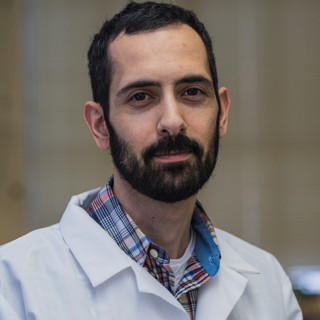
Bilal Ghosn is a Senior Lecturer in Bioengineering at Rice University, with a focus on undergraduate curriculum development and integrating research practices into laboratory instruction. He holds a doctorate from the University of Texas, Austin, a master’s from Louisiana State University (LSU), and has worked as a postdoctoral researcher at the University of Washington. Ghosn advises bioengineering students and oversees academic certification, while also serving on the University Committee for Fellowships and Awards and as Director of Undergraduate Studies.
Education:
- Ph.D., Biomedical Engineering, University of Texas, Austin (2009)
- M.S., Biological & Agricultural Engineering, Louisiana State University (2004)
- B.S., Biological Engineering, Louisiana State University (2002)
- Postdoctoral Fellow, Bioengineering, University of Washington (2009-2013)
Research & Teaching: Ghosn’s research emphasizes biomaterials, drug delivery, and immunobioengineering, including the development of stimuli-responsive polymers (via RAFT polymerization) for cancer and lung disease treatments. His teaching spans molecular techniques, biostatistics, systems physiology, and global health design. Collaborations include Shriners Hospital for Children, the University of Washington School of Medicine, Fred Hutchinson Cancer Research Center, and MD Anderson Cancer Center.
Awards:
- Rice Bioengineering Excellence in Teaching Award (2015, 2020)
- George R. Brown Prize for Superior Teaching (2021, 2023)
- 2021 School of Engineering's Excellence in Teaching Award
Advising & Roles: Ghosn has advised students since 2014, including roles as Academic Adviser, Transfer Adviser, and Degree Certifier. His work with Oshman Engineering Design Kitchen (OEDK) centers on capstone courses and engineering design for global health technologies. He also implemented the Needs Finding and Development course to address clinical needs through prototyping and testing.
Labs & Collaborations: Involved in interdisciplinary projects at OEDK and collaborated with medical institutions like Shriners Hospital and Fred Hutchinson, advancing biomaterials for targeted therapies and diagnostics.