معرفی
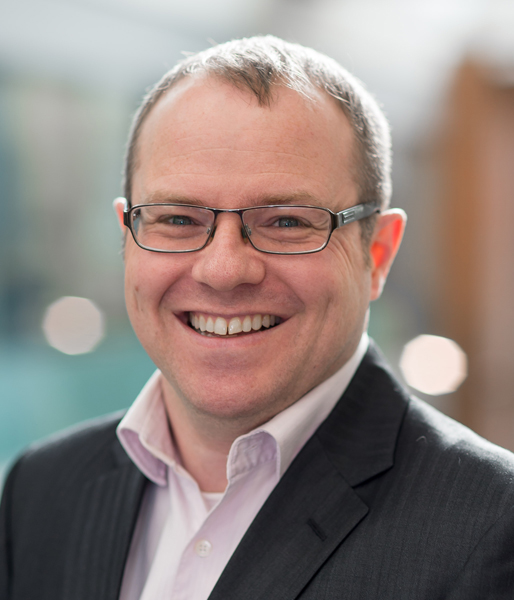
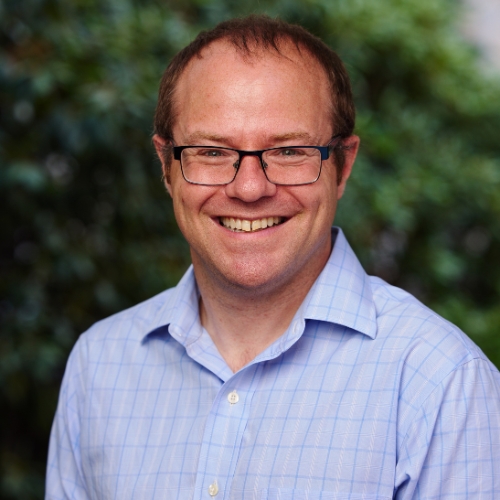
Benjamin K. Sovacool serves as Director of the Boston University Institute for Global Sustainability (IGS) and Professor in the Department of Earth & Environment within the College of Arts & Sciences, focusing on global energy policy and climate justice challenges.
His academic credentials include:
- PhD in Science & Technology Studies from Virginia Tech
- MsC in Science Policy from Virginia Tech
- MA in Communication Studies from Wayne State University
- BA in Philosophy and Communication Studies from John Carroll University
Research centers on energy justice, climate change mitigation, and renewable energy transitions, examining ethical dimensions of energy infrastructure, policy design for energy access, and adaptive capacity building. His work bridges social science and engineering perspectives, endorsed by figures like former President Clinton and Nobel Laureate Ostrom.
Publications address urgent decarbonization challenges, exemplified by his 2022 Science article on industrial megaprojects. His scholarship consistently analyzes equity implications across energy supply chains and climate solutions, emphasizing interdisciplinary approaches.
Key recognitions:
- Distinguished Graduate Alumni Achievement Award (Virginia Tech)
- 2019 USERN Prize for Social Justice research
- Dedication to Justice Award (American Bar Association)
- Distinguished Visiting Energy Professorship (Vermont Law School)
- Academician of the UK Academy of Social Sciences
Secured $28.2+ million in competitive funding from DOE, NSF, European Commission, and major foundations. Current projects include Advancing Transformational Energy Justice (Sloan Foundation), Limits to Digitalization (Norwegian Research Council), and NIH-funded climate-health initiatives. Leadership spans IPCC AR6 authorship and EU energy advisory roles.
As IGS Director, he leads cross-institutional teams tackling global sustainability through initiatives like the Industrial Decarbonization Research Center and GENIE project on negative emissions technologies, fostering collaborations with European and US research entities.