معرفی
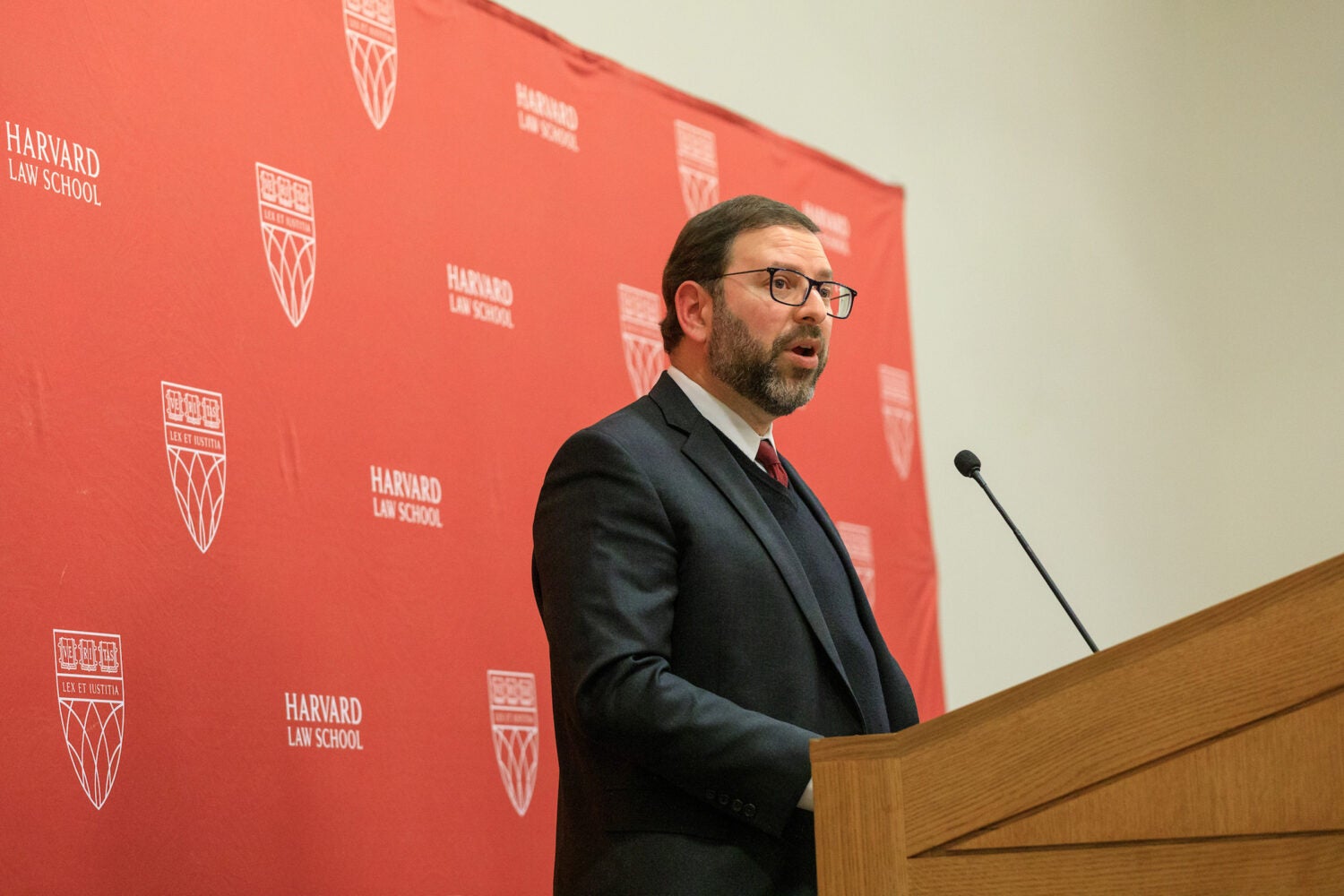
Benjamin I. Sachs is the Kestnbaum Professor of Labor and Industry at Harvard Law School and faculty director of the Center for Labor and a Just Economy. He teaches labor law, employment law, and law and social change, with a focus on union organizing and unions in American politics. Prior to Harvard (since 2008), he was a Joseph Goldstein Fellow at Yale Law School and Assistant General Counsel at the Service Employees International Union (SEIU). He clerked for Judge Stephen Reinhardt and earned his JD from Yale Law School in 1998.
His research explores how law can enable social-movement organizing by poor and working-class people to counter corporate and elite influence. He has analyzed historical legal frameworks like the Wagner Act and contemporary challenges such as labor law reform, political inequality, and the role of disruption, jurisdiction shifting, and branch shifting in enacting power-building legislation. He also investigates the interplay between federal and state labor laws, including preemption doctrines and state-level innovations.
Recent publications address the chicken-and-egg dilemma in labor law, where organizing-enabling laws are needed to build movements, but movements are required to pass such laws. His work proposes strategies like strikes, state-level reforms, and executive branch advocacy to overcome these barriers. These themes intersect with his broader scholarship on countervailing power, legal enforcement mechanisms, and the structural conditions underpinning worker and tenant organizing.
- Yale Law School teaching award (2007)
- Sacks-Freund Award for Teaching Excellence at Harvard Law School (2013)
- Charles Fried Intellectual Diversity Award (2015)
As faculty director of Harvard’s Center for Labor and a Just Economy, Sachs collaborates with scholars and activists to advance labor rights and equitable policy. His work bridges academic analysis with practical legal strategies for social change, emphasizing the need for laws that empower marginalized groups.